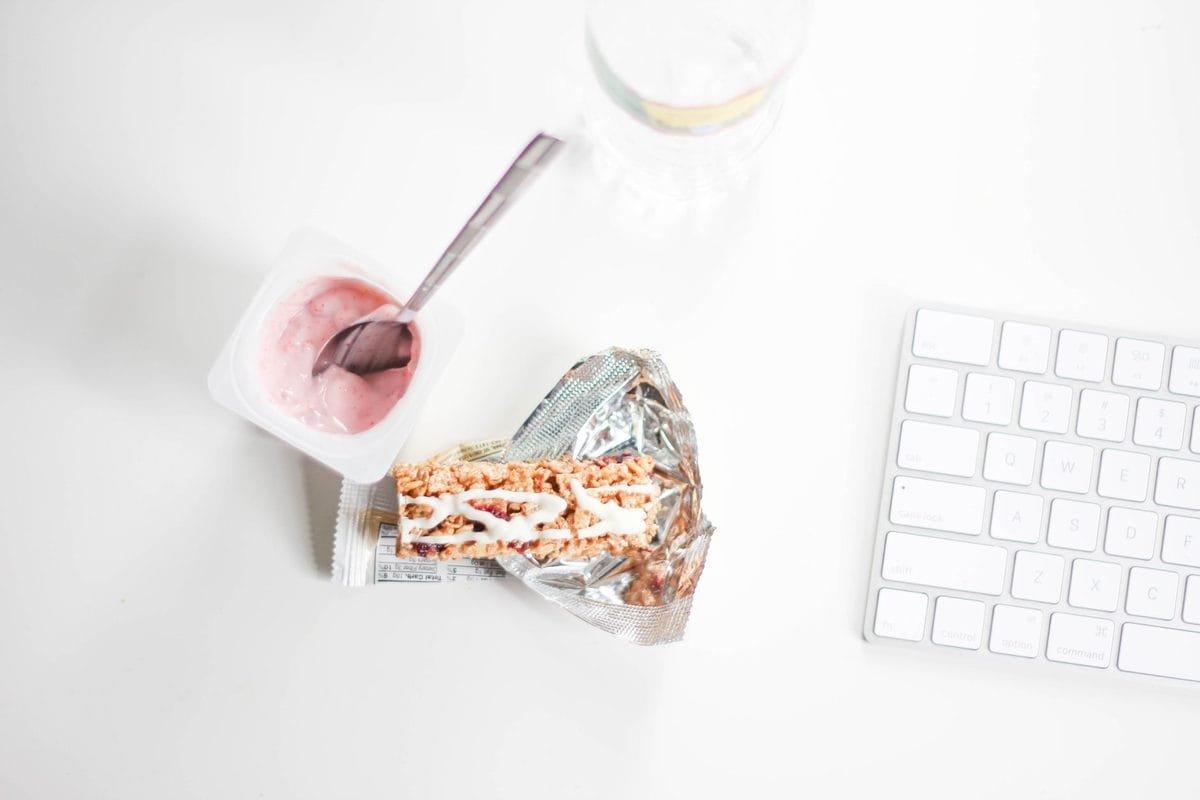
The granola bar with "protein" across the front, the frozen dinner marked "no artificial ingredients" and the flavored yogurt that tastes like dessert have one thing in common, and it is printed nowhere on the box. Many of them would fall into the ultra-processed category, a term that has moved from academic journals into grocery aisles over the past few years. With Thanksgiving on 26 November, many of these items are about to appear on holiday tables. Here is what the category means, what the evidence links it to, and where the critics have a point.
What the term actually describes
The category describes how a food is made, not whether one bite will hurt you.
The NOVA system sorts foods into four groups: unprocessed or minimally processed foods, processed culinary ingredients such as oils and butter, processed foods, and ultra-processed foods. The Lancet series published in November 2025 describes ultra-processed foods as branded products made from cheap, food-derived substances and additives, designed to displace real food. Soft drinks and packaged snacks sit squarely in the category, and so do many ready meals. The key idea is displacement: these products tend to take the place of meals built around whole ingredients rather than sit alongside them. That is why the series treats the category as a question about the whole diet, not about one ingredient. Two products on the same shelf can sit in different NOVA groups, which is why one word on the front of a box tells you very little. The useful question is what the product is made from, and how much of your week is built on products like it. A single cookie is not the issue. The pattern across a week is what the research is measuring, and that is harder to see from the front of a package.
What the evidence links it to
An editorial in The Lancet Healthy Longevity summarizes the series as linking high ultra-processed intake to increased risk of 12 outcomes of concern, including type 2 diabetes, chronic kidney disease and all-cause mortality. It also cites links to worse performance on cognitive tests. These are associations from observational research, not proof that a particular additive or packaging method causes harm. The series' central argument is that these products are displacing fresh and minimally processed foods, and that displacement is part of the harm. The honest reading is that a diet high in these foods is linked to worse outcomes in the studies reviewed, while the mechanisms are still being sorted out. For a reader, that distinction matters: it argues for shifting the balance of your week, not for panic about one snack. A week of home-cooked meals with a few packaged staples is a different diet from a week of packaged meals with a few vegetables on the side, and the research is asking about the second pattern. Most people who try to change it do not need a new diet. They need to move two or three meals a week from the box to the cutting board.
Where the critics push back
The category is blunt, and the critics say so. A commentary in JA PreventNCD argues that bundling heterogeneous foods together creates a problematic target for policy, since soft drinks and whole-grain wraps sit in the same bucket despite possibly opposing health effects. The series' authors themselves acknowledge that applying the classification to food regulation needs nuance. Harvard's Nutrition Source makes a related point about the US guidelines, calling the "highly processed" category somewhat vague on the surface. I think the criticism lands. A single label cannot tell you whether a wrap is equivalent to a soda, so treat the label as the first question and the ingredient list as the answer. Public guidance has to work with groups people can act on, and nobody can apply a research definition to a hundred-item aisle in the time it takes to find the milk.
What the 2025–2030 US guidelines say
The Dietary Guidelines for Americans 2025–2030 avoid the term "ultra-processed" and use "highly processed" instead. They advise avoiding packaged, prepared or ready-to-eat salty or sweet foods with added sugars and sodium, such as chips, cookies and candy, and they name sugar-sweetened beverages, including soda, fruit drinks and energy drinks, as items to avoid. The FDA and USDA were still reviewing public comments on a formal definition of ultra-processed foods when the guidelines came out, which is one reason the guidelines did not adopt the term. On a holiday table, shortcut items such as stuffing mixes and gravy packets are often ultra-processed under NOVA, though the answer depends on the specific product.
A label check that takes ten seconds
Start with the ingredient list rather than the front of the pack. Words like "protein" and "high fiber" are marketing, while the ingredient list says what the product is actually made from. The checks below are rules of thumb rather than validated cut-offs, but they catch most of the worst offenders.
- Count the ingredients you would not keep in your own pantry, such as emulsifiers, modified starches or hydrolyzed protein.
- Look for added sugar under its many names; the guidelines list high-fructose corn syrup, agave syrup and cane sugar among them.
- Compare two versions of the same food and pick the one whose first three ingredients you recognize.
A weekday breakfast, two ways
Take a typical weekday breakfast. A flavored instant oatmeal packet, a sweetened yogurt cup and a bottled coffee drink can add up to a meal that is mostly ingredients from a factory. Plain rolled oats cooked at home, a tub of unsweetened Greek yogurt and a fruit you cut yourself get you a different set of ingredients. Neither version is a moral test. The difference is that the second one leaves you with a breakfast you could have made from a kitchen, and that is the practical test the category is trying to capture.
The holiday table is a label problem too
A holiday meal is a poor place to start a label audit, because the table is built from many small decisions at once. The guidelines' focus on added sugars and sodium is useful here, since the sweet and salty shortcuts are where those two ingredients pile up. Gravy from a packet, a dessert mix with a pre-made topping and a stuffing that comes out of a box all deliver more of both than their homemade versions. You do not need to rebuild the whole menu. Choose one dish to make from whole ingredients, such as a pan of roasted vegetables, and let the rest of the table stay as it is. That single change will tell you more about your own cooking habits than any checklist.
Change the drinks first
My recommendation is to start with drinks rather than snacks. Soda, fruit drinks and energy drinks are the clearest category the guidelines name without qualification, so swapping them is the change with the strongest backing. Snack swaps take more label reading, and the category is fuzzier there, which makes them harder to get right on one shopping trip. Start with the drink, then work through the pantry one shelf at a time. That order does not require reading every label in the store on the first day.