Why breakfast protein changes the whole morning
A typical breakfast in many homes is built around toast, cereal, a muffin or a glass of juice. These foods are quick and satisfying in the moment, but they are mostly carbohydrate, which digests fast and leaves the stomach empty again within a few hours. Many people notice this as a mid-morning slump, a craving for a sugary snack or a sense that the day has already become a struggle before lunch. Adding protein changes the pattern, because protein digests more slowly, helps keep blood sugar steady and supports the feeling of fullness that lasts until midday. You do not need a complicated plan to make this shift, only a few reliable options that you can prepare in minutes.
The aim is not to eat a large meal in the morning. A breakfast with around twenty to thirty grams of protein is enough for most adults, and it can be achieved with foods most people already keep at home. The sections below explain how much protein to aim for, which foods do the job well, and three simple breakfasts that work on a weekday when time is short.
How much protein is enough
Protein needs vary with body size, age, activity level and goals, but a useful starting point for most adults is about 0.8 grams per kilogram of body weight per day, which is the basic recommendation set by many health bodies. Active people and those trying to build or keep muscle often need more, sometimes up to 1.6 grams per kilogram, and that extra amount is easier to reach when you spread it across the day. Breakfast is a good place to start because it is the meal most people eat at the same time every day and find easiest to plan.
Spreading protein across meals matters as much as the total. Eating twenty grams in one breakfast, then very little until dinner, is less effective for muscle maintenance than a steady intake across three meals. Check the labels on the foods you use most, because the protein content in yoghurt, cheese and cereal varies widely between brands and sizes. A rough guide works well: one large egg has about six grams, a cup of plain Greek yoghurt has around twenty, and a small tin of tuna has a similar amount to a large egg and a slice of bread combined.
The quick foods that do the job
Eggs are the classic option, and they are fast, cheap and versatile. Scramble two eggs with a handful of spinach, or boil a batch on Sunday and keep them in the fridge for the week. Greek yoghurt is another strong choice, because a plain tub provides a large portion of protein with very little preparation, and it works with fruit, nuts or a spoon of seeds. Cottage cheese, skyr and quark follow the same logic, and they taste better than many people expect once you add a little fruit and salt.
Beans and lentils are underrated at breakfast, but a spoonful of black beans with eggs or a small bowl of lentil porridge gives you fibre and protein together. Cooked lentils keep for several days, so a pot made on Sunday can cover three breakfasts. Smoked fish, such as salmon, works well on wholemeal toast with a little cream cheese. Tofu, scrambled with turmeric and onion, is a good option for people who avoid dairy and eggs, and it takes about ten minutes to prepare.
Three breakfasts you can make on a weekday
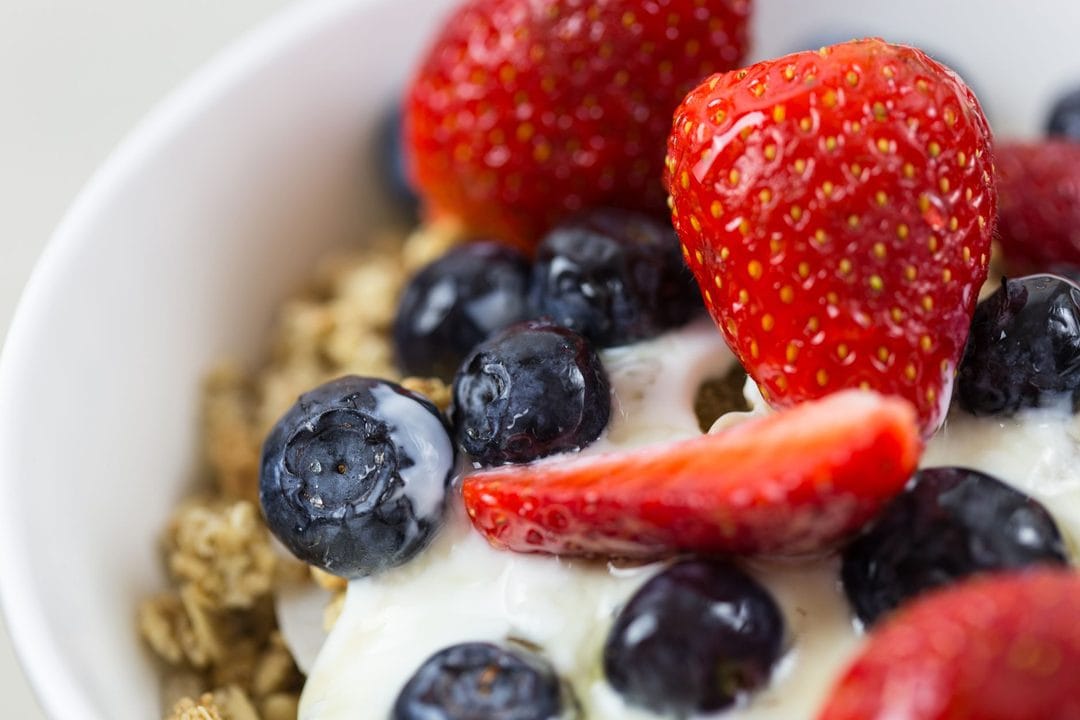
The first option is a yoghurt bowl. Spoon a cup of plain Greek yoghurt into a bowl, add a handful of berries, a tablespoon of chopped nuts and a teaspoon of honey, and eat it while you pack your bag. It takes three minutes, and it gives you about twenty grams of protein with fibre from the fruit. Keep a small tub of nuts in the cupboard so you never have to shop for them on a busy morning.
The second option is scrambled eggs on wholemeal toast. Beat two eggs with a pinch of salt, cook them gently in a small pan with a little butter, and add spinach or tomatoes if you have them. Serve on one slice of toast with a few slices of avocado, which adds healthy fats and makes the meal more filling. The whole process takes about eight minutes, and it works on days when you have time to stand by the stove.
The third option is an overnight oats jar, with added protein. Mix half a cup of rolled oats with a cup of milk or a soy alternative, a scoop of protein powder or a spoon of Greek yoghurt, and a small handful of chia seeds. Leave it in the fridge overnight, then top with fruit in the morning. This is the option that works best on the most hectic days, because the preparation happens while you sleep.
Making it a habit that lasts
Routine matters more than perfection. Pick two breakfasts that you enjoy and rotate between them for a few weeks, so the decision is already made when the alarm goes off. Stock the fridge with two protein foods at all times, such as eggs and yoghurt, so you are never forced to buy a sugary alternative at the petrol station. If you dislike a particular food, do not force it, because the aim is consistency and not discipline.
Track the change for two weeks rather than judging it after a single morning. Notice whether you feel hungry before lunch, whether your energy dips in the afternoon and whether cravings for snacks change. Many people find that a protein breakfast reduces mid-morning snacking and makes lunch feel more natural. If you have a medical condition, a kidney problem or a diabetes diagnosis, speak with your doctor or a dietitian before changing your protein intake significantly.
Common mistakes to avoid
The most common mistake is adding protein on top of a very large breakfast, which turns the meal into a heavy start. Keep the portion sensible and let the protein do the work of keeping you full. The second mistake is relying on protein bars or shakes as the main option, because they are often high in sugar and low in fibre, and they can feel less satisfying than whole foods. Use them as a backup, not a routine.
The third mistake is ignoring the rest of the day. Breakfast with protein helps, but it does not fix a lunch made entirely of white bread or a dinner that skips vegetables. Look at your whole pattern, and use the morning change as the first step in building better habits across the day. A small change that you keep for months does more than an ambitious plan you abandon in a week.
A realistic first week
On Monday, buy a tub of plain Greek yoghurt, a pack of eggs and a bag of mixed berries. On Tuesday, try the yoghurt bowl and notice how long it keeps you full. On Wednesday, add the scrambled eggs on toast and compare your mid-morning hunger. On Thursday, prepare the overnight oats for Friday, so the busiest morning of the week is already solved. By Friday, you will have a sense of which breakfast suits your schedule, and you can build the rest of the week around it.
Protein at breakfast is not a trend or a rule. It is a simple way to start the day with a meal that holds up until lunch, and most people can manage it with foods they already own. Choose one option, make it twice this week, and see whether your morning feels a little calmer.
Protein powder is a useful tool, but it works best as a supplement to real food rather than a replacement. A scoop added to oatmeal or yoghurt is a practical way to top up on busy mornings. Choose a product with a short ingredient list, third-party testing and a clear protein amount per serving. Be wary of blends that add large amounts of sugar or artificial sweeteners, which can make a healthy breakfast feel less balanced. Check the label for added sodium and fat if you are buying a flavoured mix. Many people find that a plain whey or a pea-based powder mixes well and tastes neutral enough for everyday use. Start with half a scoop to see how your stomach reacts before using a full serving.
Portion sizes matter, especially when you are trying to build a steady habit. A cup of Greek yoghurt is a sensible amount, while a large bowl with granola and fruit can quickly reach a high calorie count. Use a measuring cup for oats and nuts for the first two weeks, so you learn what a real portion looks like. Pay attention to hunger two hours after breakfast, because it tells you whether the amount was enough. If you are often hungry by mid-morning, add a boiled egg or a small tub of cottage cheese. If you feel heavy or sluggish, reduce the carbohydrate portion instead of cutting the protein. Your body will show you what works within a few days of adjusting.
Weekend breakfasts can be a little more relaxed, and that flexibility helps the weekday habit last. A plate of eggs, sautéed greens and a slice of sourdough takes about fifteen minutes and keeps the protein target on track. Pancakes made with cottage cheese or Greek yoghurt give you a sweet option with a much better protein balance than a standard stack. Keep the syrup on the side, so you control the sugar yourself. Share the meal with family if you can, because a slower breakfast together is a good habit to build alongside better food. The aim is a routine you enjoy on Saturday and can repeat on Tuesday.