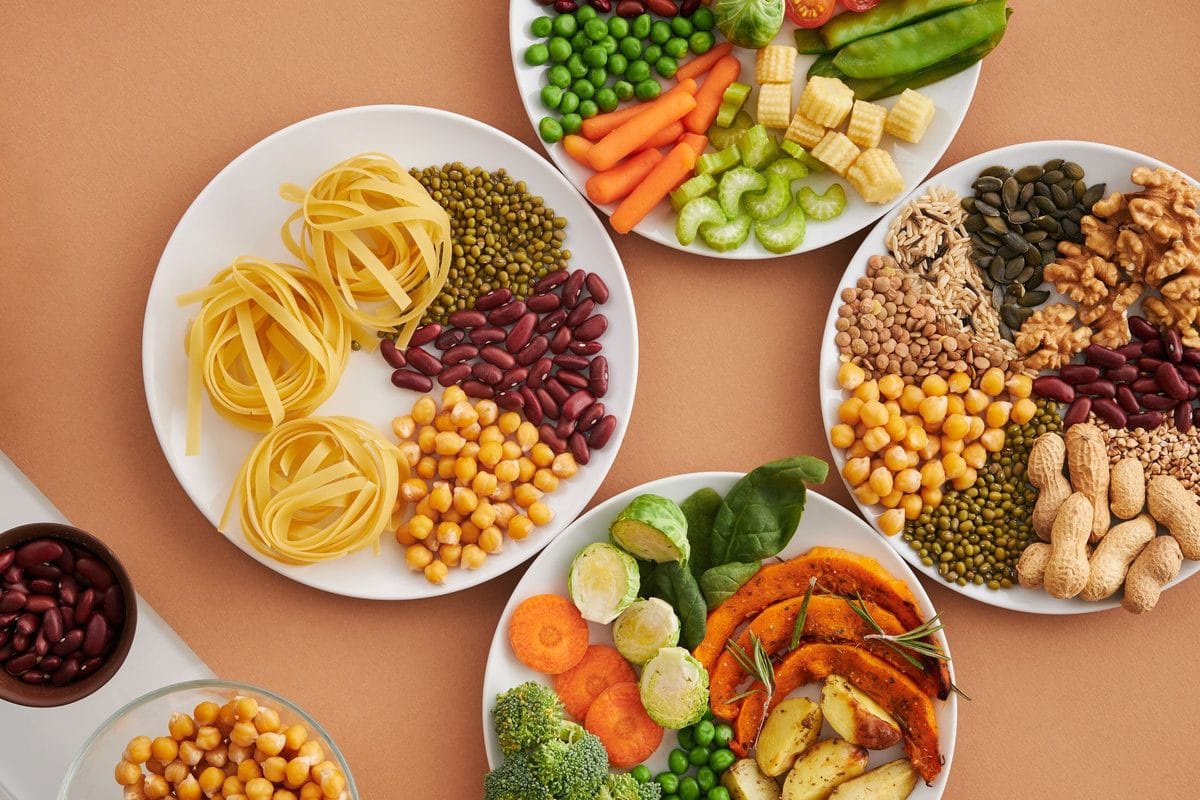
Ask a woman what she's probably running low on and she'll usually guess iron, or maybe vitamin D, or B12 if she's been paying attention to the last few nutrition headlines. Almost nobody says fiber. That's the miscalculation sitting quietly under a lot of complaints about bloating, stubborn cholesterol numbers, and the energy crash that hits two hours after lunch, because the average American woman eats somewhere around 15 grams of fiber a day and her body is built to run on 25.
The Ten-Gram Problem Nobody Tracks
The 2020–2025 Dietary Guidelines for Americans set the daily fiber target at 25 grams for adult women, rising to 28 grams for women between 19 and 30, and dropping to 22 grams after 50. USDA's own What We Eat In America survey puts actual average intake at roughly 16 grams a day, and for women who skip breakfast or lean on processed convenience food most of the week, it's closer to 10 or 12. Fiber has been officially flagged as a "nutrient of concern" in the Dietary Guidelines since 2005, which is bureaucratic language for "we've known about this for two decades and it still hasn't moved." Ninety percent of American women fail to hit their fiber target on a typical day, according to those same 2020–2025 guidelines. That's not a fringe shortfall limited to people on restrictive diets — it's close to the entire female population reading this sentence right now. And unlike iron or B12, fiber never shows up on a standard blood panel, so nobody gets a lab result flagged in red telling them to fix it.
What Ten Grams Actually Costs You
Ten grams doesn't sound like much until you look at what tracks alongside it.
A 2019 analysis in The Lancet, pooling data from nearly 250 studies, found that people eating the most fiber had a 16 to 24 percent lower risk of dying from heart disease, stroke, type 2 diabetes, or colon cancer compared with people eating the least. Each additional 8 grams of daily fiber tracked with another 5 to 27 percent drop in risk, and the strongest protective effect landed between 25 and 29 grams a day — almost exactly the range women are supposed to hit and mostly aren't. Separately, researchers have modeled that raising fiber intake across the US population by just 9 grams a day could save an estimated $12.7 billion a year in healthcare costs tied to constipation alone, since chronic under-fiber diets are one of the more preventable drivers of GI complaints, ER visits, and unnecessary imaging. None of this requires heroic effort. It requires closing a gap that's roughly the size of one avocado and half a cup of black beans.
If you take away nothing else from this, take away this: the payoff on fiber isn't dramatic the way a caffeine hit is, but it's one of the most consistently replicated levers in cardiovascular and metabolic research, and it costs less than almost any supplement claiming similar results.
Fiber and Blood Sugar: The Piece Most Women Miss
Soluble fiber — the kind in oats, beans, and psyllium — dissolves into a gel inside the small intestine and physically slows how fast sugar from a meal reaches the bloodstream. That single mechanism explains why oatmeal raises blood sugar less than cornflakes with the same calorie count, and why beans carry a lower glycemic response than white rice even though both are technically starches. A 2015 study out of Weill Cornell, published in Diabetes Care, found something simpler still: eating vegetables and protein before the starch on the plate, rather than everything mixed together or bread first, lowered post-meal glucose and insulin spikes by roughly 25 to 40 percent in people with type 2 diabetes, using the exact same meal each time. Order mattered almost as much as content did.
This isn't a diabetes-only finding, and you don't need a glucose monitor to benefit from it. Blunting the spike is tied to steadier energy, fewer cravings two hours after eating, and less of the afternoon crash that usually gets blamed on "just being tired." Eat the vegetables first at dinner tonight and treat the pasta as the last thing that hits the plate, not the first.
Your Gut Doesn't Want More Fiber — It Wants More Kinds of It
The American Gut Project, run out of UC San Diego and now continued as the Microsetta Initiative, analyzed stool samples against self-reported diets from thousands of participants and found something specific: people who ate more than 30 different plant foods a week had a noticeably more diverse gut microbiome than people who ate 10 or fewer, regardless of how many total grams of fiber either group consumed. Diversity, not just volume, is what feeds different bacterial species — a diet built entirely around oat bran and broccoli still leaves whole categories of gut bacteria starved, because different fibers ferment differently and feed different microbes. Thirty plant foods a week sounds intimidating until you count herbs, spices, and legumes as separate entries, which the study did; a bowl of chili with three bean varieties, onion, garlic, and cumin already covers six.
Stop thinking about fiber as one number to hit with a scoop of oat bran, and start thinking about how many different plants actually land on your plate this week.
More fiber isn't automatically better for every gut, though. Ramp up too fast — going from 12 grams to 30 grams inside a week — and you'll trade a fiber deficiency for a week of bloating and gas that has nothing to do with the food being "bad" for you; it's just more than your gut bacteria are used to processing yet. And if you have IBS or a diagnosed FODMAP sensitivity, some high-fiber staples like onions, garlic, and certain beans can trigger symptoms instead of easing them, which is exactly the case where working with a registered dietitian on sequencing matters more than following a generic list off the internet.
A Realistic Day at 25 Grams
- Oatmeal, one cup cooked: 4 grams
- Black beans, half a cup: 7.5 grams — enough on its own to turn a plain rice bowl into something that actually holds you until dinner
- Steamed broccoli, one cup: 5 grams
- Raspberries, one cup: 8 grams
- A small handful of almonds, roughly 3.5 grams, and whatever else lands on the plate after that
Add those up and you're past 25 grams before dinner even exists on the page — no fiber gummy required.
The Supplement Aisle Is Not the Fast Lane
Fiber supplements like Metamucil, Citrucel, and Benefiber aren't useless, but they isolate one type of fiber and skip everything else whole food brings with it — the vitamins, minerals, and plant compounds that show up alongside fiber in lentils, beans, and vegetables but not in a scoop of powder. Harvard Health's nutrition team has made this point plainly: whole-food fiber sources outperform supplements precisely because the fiber never travels alone in real food. Skip the gummy aisle unless you've already maxed out what a normal week of eating can do. Gummies and powders can close a small final gap for someone who's already eating well and still short by two or three grams, but they're not a substitute for lentils, beans, and vegetables, and treating them as one just hides the bigger problem for another year.
Fix breakfast first. It's the one meal most women eat the same way every single day, which makes it the easiest place to quietly add eight or ten grams of fiber without ever having to think about it again — swap white toast for a bowl of oats with berries, or add a spoonful of chia seeds to whatever's already in the bowl, and the math starts working in your favor before lunch.