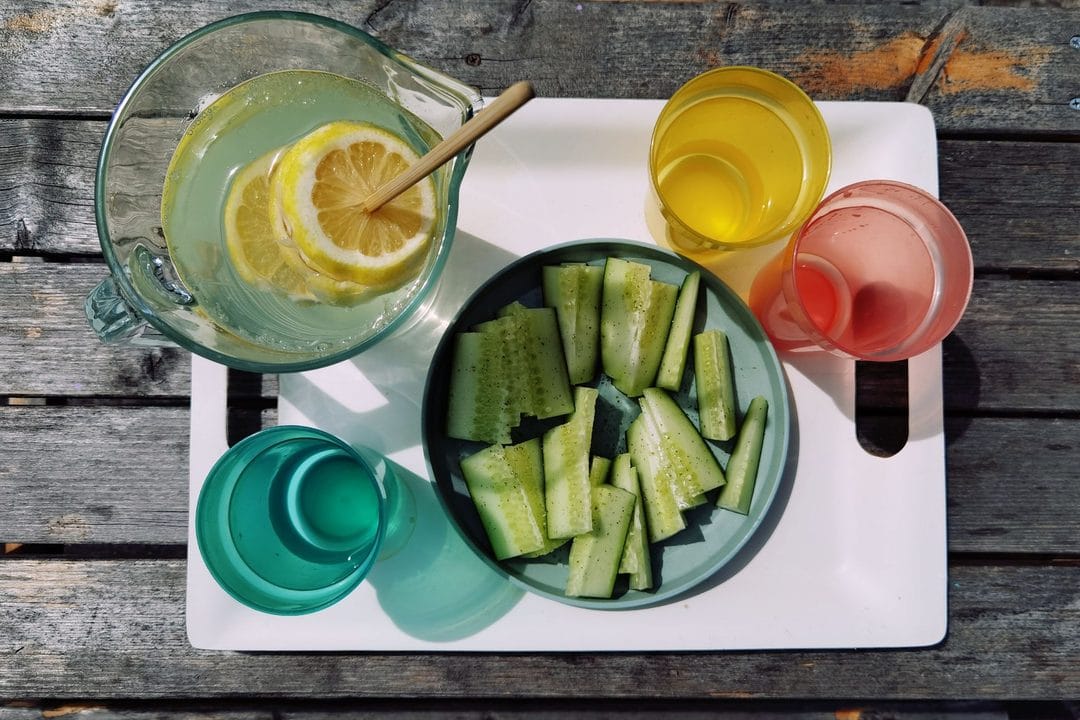
Every summer the same advice circulates: drink more water. It's not wrong, exactly, but it's incomplete in a way that leaves a lot of women feeling foggy, headachey and oddly flat despite carrying a litre bottle everywhere. You can drink plenty of water and still be poorly hydrated, because hydration isn't just about volume — it's about whether your body holds on to the fluid, and that depends on electrolytes, food and timing as much as the glass in your hand.
Why eight glasses isn't the whole story
When you sweat heavily — a hot commute, a summer run, a day in the garden — you lose sodium, potassium and magnesium alongside the water. If you then replace only the water, you dilute what's left, and your body sheds it through urine rather than holding it in the tissues that need it. That's the mechanism behind feeling thirsty again twenty minutes after a big drink, or getting a dull afternoon headache on the hottest days. The fix isn't more plain water; it's water that comes with a little salt and some food.
This matters more for women than the generic advice admits. Hydration needs shift across the menstrual cycle, and many women on lower-calorie summer eating patterns are quietly under-eating the very foods that carry electrolytes. Add a couple of coffees and a glass of wine on a warm evening, both mild diuretics, and the maths tips further. None of this is a crisis — it's just a reason to think about hydration as a whole pattern rather than a single number of glasses.
The food half of hydration
Roughly a fifth of most people's daily fluid comes from food, and summer produce is built for the job. Cucumber and watermelon are both over 90 percent water, which is why a slice of either feels so reviving in the heat. But the useful part is the minerals that ride along:
- Watermelon and cantaloupe — water plus potassium, and genuinely satisfying when it's too hot to want a proper meal.
- Cucumber, courgette and lettuce — high water content, easy to eat in volume, almost no effort.
- Greek yoghurt with berries — water, potassium and a hit of protein that plain fruit lacks.
- A pinch of good salt on a tomato — old-fashioned, slightly unglamorous, and exactly what your body is asking for after a sweaty afternoon.
Eat your fluids as well as drink them and the afternoon slump softens noticeably.
Do you actually need an electrolyte sachet?
The shelves are full of them now — LMNT, SiS, High5, and supermarket own-brands at a third of the price. Here's the honest answer: for a normal day at a desk, no. Food and water cover it, and a four-pound sachet a day is money you don't need to spend. But there are clear moments when they earn their place: a long run or cycle in real heat, a day of heavy manual work outdoors, the morning after a poor night with a stomach upset, or travel where you've sweated through a flight and a transfer.
If you do reach for one, read the sodium content rather than the marketing. The premium brands lean high on salt, which suits endurance athletes and almost nobody else. For most women, a cheaper tablet with a moderate sodium level does the same job. And you can make a perfectly good version at home: a large glass of water, a pinch of salt, a squeeze of lemon and a teaspoon of honey costs pennies and works. Save the branded sachets for the days you've genuinely earned them.
Reading your own signals
Thirst is a lagging indicator — by the time you feel it, you're already mildly down. The more useful check is the unglamorous one: urine colour through the day. Pale straw is the target; dark amber means catch up, and completely clear all day long can actually mean you're overdoing plain water and flushing out salts. Persistent afternoon headaches, dizziness on standing and a heart that races in the heat are worth listening to rather than pushing through.
One caveat worth naming: drinking enormous quantities of water very fast, especially during intense exercise without any salt, can dilute your blood sodium to genuinely dangerous levels. It's rare, but it's the reason "just drink loads" is bad advice on its own. Sip steadily, eat your fruit and vegetables, add a little salt when you've sweated, and your body will do the rest. A cold glass of water with a slice of cucumber and a tiny pinch of salt on the hottest afternoon of the year beats any sachet on the shelf.