You have probably never once looked at a nutrition label and thought about potassium the way you think about protein or fibre. It sits quietly at the bottom of the panel, usually printed as a percentage that means nothing without context, and most women never give it a second glance until a muscle seizes up mid-run or their ankles look puffier than usual by nine at night. That quiet mineral is doing more structural work in your body than almost anything else you eat this week.
What Potassium Actually Does
Potassium is an electrolyte, which means it carries an electrical charge and helps regulate the fluid balance inside and outside your cells. It works as a counterweight to sodium: where sodium pulls water in, potassium helps push it back out, and that push-pull relationship is what keeps your blood pressure in a normal range. It also fires the electrical signals that make your heart beat on schedule and your muscles contract and release properly, which is exactly why a potassium shortfall shows up first as a cramp in your calf at 2 a.m. rather than as something you can see on a blood test at your next check-up. The blood-pressure connection isn't theoretical, either. The original DASH diet trial, published in 1997 and still the reference study cited by most dietitians, paired a potassium-rich eating pattern of fruit, vegetables, and low-fat dairy with a systolic blood pressure drop of about 11 mmHg in participants with hypertension — a bigger effect than most people expect from food alone, and one that showed up within two weeks. That trial is also why "eat a banana, lower your blood pressure" became shorthand advice, even though the actual mechanism runs through the whole pattern of intake, not one piece of fruit. None of that means a single banana will move your numbers on its own, but stacked across a week of meals, the DASH-style pattern is still one of the best-evidenced dietary interventions for blood pressure that doesn't involve a prescription.
The Number Nobody Updated in Your Head
If you learned the 4,700 mg potassium target years ago, from a magazine or a well-meaning nutritionist, that number is outdated. The National Academies revised the Adequate Intake down in 2019 to 2,600 mg a day for adult women and 3,400 mg for men, based on evidence that the earlier figure was extrapolated rather than measured. In the UK, the NHS reference intake sits at 3,500 mg a day for both sexes. Either way, most women in the US and UK land closer to 2,000-2,300 mg daily according to national dietary surveys — under target, but not by the dramatic margin the old 4,700 figure implied.
Why Late August Makes the Gap Worse
Heat and exercise don't drain your potassium the way they drain sodium — sweat is roughly ten times richer in sodium than potassium, so the popular idea that a hot summer workout depletes your potassium stores is mostly myth. What actually happens this time of year is different: routines fall apart. Fresh produce that carried potassium all summer — melon, stone fruit, tomatoes — gets replaced by school-lunch shortcuts and grab-and-go breakfasts as September routines kick back in, and that's when the daily average quietly drops. The bloating so many women notice by late summer has more to do with this shift than with water retention from heat. When sodium intake climbs, through restaurant meals, packaged snacks, and the school-year return to convenience food, and potassium intake falls at the same time, your body holds onto more water to dilute the excess sodium. You feel puffier, your rings feel tighter, and the scale might tick up two pounds overnight — none of it fat, all of it fluid your kidneys are managing because the sodium-potassium ratio tipped the wrong way. It's a pattern that resolves faster than most people expect once the ratio corrects itself, often within three or four days of eating more deliberately.
The Cramp Connection
Muscle cramps, especially in the calves and feet at night, are one of the clearest early signs of a mild potassium shortfall — not a severe deficiency, just a dip below what your muscles need for smooth electrical signalling. Magnesium gets blamed for this constantly, and it can play a role too, but potassium is the more common culprit in otherwise healthy women who exercise regularly and eat a reasonable diet. If you've already tried a magnesium supplement for cramps with no change, check what you're eating for potassium before spending more money on a different pill.
Real Food Sources — and How Much They Actually Give You
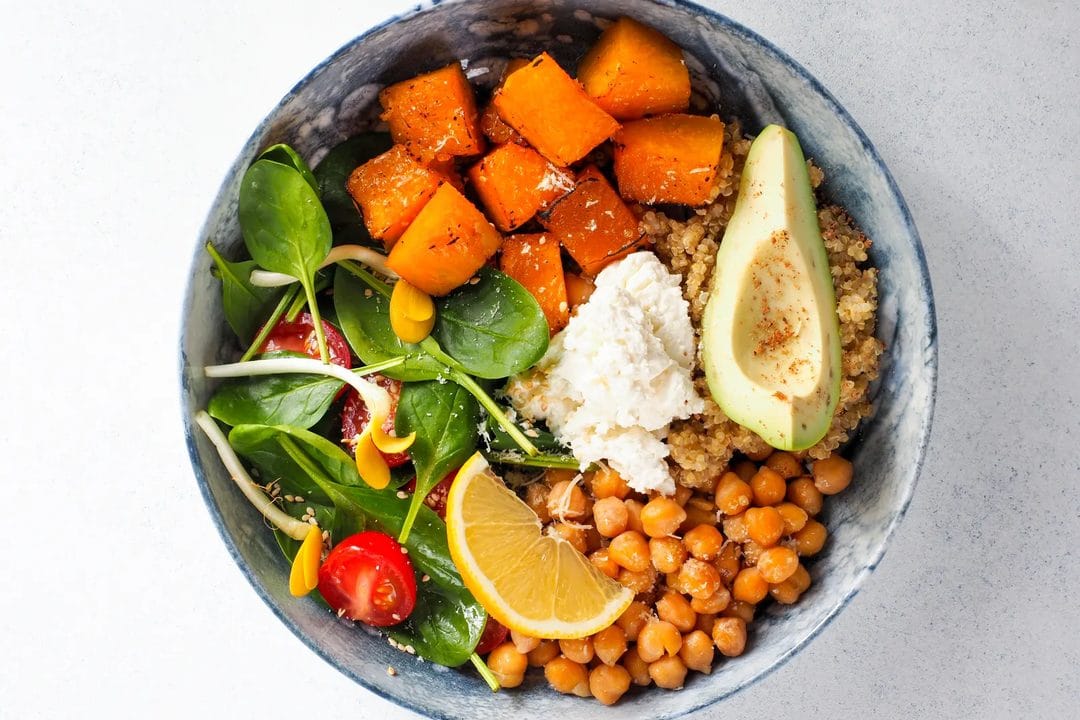
A medium banana gets all the credit, but at 422 mg it's actually a modest source next to several less-hyped foods. A medium baked potato with the skin on delivers about 940 mg — more than double the banana — and a cup of cooked spinach gives roughly 840 mg. White beans are worth stocking: a half-cup of cooked cannellini beans provides about 477 mg, and they're cheap, shelf-stable, and go into nearly anything.
- Baked potato with skin, medium: ~940 mg
- Cooked spinach, 1 cup: ~840 mg
- Avocado, whole: ~690 mg
- Coconut water, 1 cup: ~600 mg
- White beans, cooked, half cup: ~477 mg
- Salmon, 100 g cooked: ~490 mg
- Plain yoghurt, 1 cup: around 380 mg, and it comes with calcium and protein in the same bowl
- Banana, medium: 422 mg
- Lentils and other legumes run similarly high, roughly 350-370 mg per half cup, and so on down a fairly long list of everyday foods
Notice the pattern: the biggest sources aren't exotic. Potatoes, beans, and leafy greens do more heavy lifting than the fruit that gets all the marketing attention, and cooking method matters more than people expect — boiling a potato and discarding the water can leach out up to half its potassium, while baking or roasting keeps nearly all of it intact.
What About Supplements?
Skip the potassium pills.
Unless a doctor has specifically told you to take one, that is. The FDA caps over-the-counter potassium supplements at 99 mg per tablet — a fraction of what you'd need to move the needle — precisely because concentrated potassium in higher doses can trigger dangerous heart rhythm changes if it's absorbed too quickly. Food-based potassium doesn't carry that risk because it's released slowly during digestion alongside fibre and other nutrients, which is exactly why every major guideline points back to food first.
There's a real exception worth naming plainly: if you take an ACE inhibitor, an ARB, or a potassium-sparing diuretic (spironolactone is the common one), or if you have any degree of kidney disease, your body may not clear excess potassium the way a healthy kidney does, and loading up on potassium-rich food is not automatically good advice for you. Talk to whoever manages that prescription before deliberately upping your intake — this is one of the few nutrition topics where more is not simply better, and the standard blanket advice genuinely doesn't apply to everyone.
A Simple Way to Close the Gap
You don't need to track milligrams. Build one potassium-dense food into two meals a day — beans in your lunch salad, spinach wilted into your dinner pasta, a baked sweet potato instead of rice — and you'll close most of the average shortfall within a week without thinking about a single number again. Pair that with watching where sodium sneaks in (deli meat, bread, and restaurant sauces are the quiet biggest sources, not the salt shaker on your table) and the bloating that shows up every August tends to ease on its own.
Keep a bag of frozen spinach and a couple of cans of white beans in rotation through September. They're the two ingredients most likely to still be in your kitchen on the chaotic Tuesday when nothing else is, and they do more for your potassium intake than almost anything else on a grocery list.