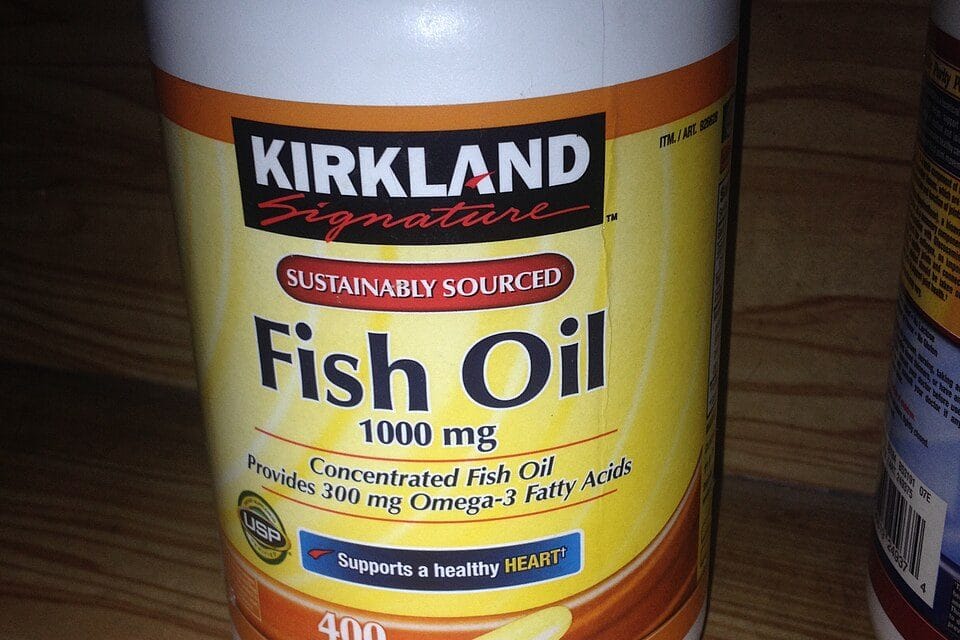
Open a bottle of fish oil bought at random from a US drugstore shelf and there's a good chance the EPA and DHA numbers on the label don't come close to what any of the big clinical trials actually tested. That gap between "1000mg fish oil" on the front of the bottle and the 300 or 400mg of combined EPA and DHA buried in the fine print is where most of the confusion about omega-3s starts. Women hear two completely different stories about this supplement in the same month — one says it protects your heart, the other says the whole category is a waste of money — and both come from real research, just read selectively.
What's Actually in the Capsule
Fish oil contains two fatty acids that do most of the work: EPA (eicosapentaenoic acid) and DHA (docosahexaenoic acid). A third type, ALA (alpha-linolenic acid), comes from plant sources like flaxseed and walnuts, and your body converts only a small fraction of it — often under 10 percent — into the EPA and DHA it can actually use. The National Institutes of Health's Office of Dietary Supplements sets the Adequate Intake for ALA at 1.1 grams a day for adult women, a number most people hit without trying if they cook with any walnut oil or eat flax granola. What that number doesn't tell you is how much EPA and DHA you're getting, because ALA conversion is so unreliable that nutrition researchers generally don't treat it as interchangeable with fish-derived omega-3s.
Buy a supplement, and the front label almost always overstates what's inside. A bottle marketed as "1200mg Omega-3 Fish Oil" might contain only 360mg of actual EPA and DHA combined — the rest is other fish oil components without documented benefits of their own. Flip the bottle over and check the Supplement Facts panel specifically for the EPA and DHA milligrams, not the "fish oil" total on the front. Costco's Kirkland Signature Fish Oil, around 400 softgels for roughly 20 dollars, actually discloses a reasonable 300mg EPA plus 200mg DHA per two softgels — cheap and transparent, which is rarer than it should be at this price point.
The Heart Claim — What the Big Trials Actually Found
Here's the part most headlines skip entirely: the largest omega-3 heart trial ever run didn't find what the supplement industry wanted it to find.
The VITAL trial, published in 2018 and tracking nearly 26,000 adults over more than five years, tested a modest 1-gram daily fish oil dose against a placebo and looked for a drop in heart attacks, strokes, and cancer across the whole study population. It didn't find one — not for the general group. Where it did find a real signal was among people who ate little or no fish before starting the trial and among Black participants, both groups showing a meaningfully lower rate of heart attacks on the supplement. That's a genuinely useful result, but it's a narrower one than "fish oil prevents heart disease," and it matters for who this actually helps: someone already eating salmon twice a week gets a lot less from a capsule than someone whose diet is mostly chicken and pasta. A separate trial called REDUCE-IT, published in the New England Journal of Medicine in 2019, used a purified, prescription-strength form of EPA alone — sold as Vascepa — at a much higher dose than any over-the-counter bottle contains, and it did cut cardiovascular events significantly in people who already had high triglycerides and were on statins. That's worth mentioning because it shows dose and formulation change the outcome enormously. A 4-gram prescription EPA product and a 1-gram grocery-store softgel aren't really the same intervention wearing different labels, even though both get filed under "omega-3" in casual conversation.
Mood, Brain Fog, and the EPA Argument
Depression research on omega-3s tells a more specific story than the heart data. Meta-analyses looking specifically at EPA-dominant formulations — where EPA outweighs DHA by a ratio of roughly 60:40 or higher, typically at doses of 1 to 2 grams of EPA daily — have found a modest but real reduction in depressive symptoms, mostly when used alongside standard antidepressant treatment rather than instead of it. DHA-heavy formulations, by contrast, haven't shown the same effect in the same studies. If you're buying an omega-3 specifically for mood rather than heart health, check that EPA number on the label rather than assuming any fish oil will do the same job — most mainstream brands are formulated DHA-heavy for brain and eye health marketing, which is the opposite ratio the mood research actually used.
Joints and the Arthritis Data
The clearest joint-related evidence isn't about general aches — it's about rheumatoid arthritis specifically. A Cochrane review of the trial data found that people with RA who took around 2.7 grams of combined EPA and DHA daily reported less morning stiffness and were able to cut back on their NSAID use over several months. That's a meaningfully different claim from "omega-3 helps joint pain" in general; the research doesn't back nearly the same effect for osteoarthritis or the everyday joint stiffness that isn't autoimmune in origin, and treating the two as interchangeable is where a lot of supplement marketing overreaches.
The Quality Problem Nobody Puts on the Label
Fish oil goes rancid, and rancid fish oil is where the "fishy burp" reputation comes from — it's not an inherent side effect of the fatty acids themselves, it's oxidized oil that should have been thrown out. The industry group GOED (Global Organization for EPA and DHA Omega-3s) sets an oxidation ceiling called TOTOX, and products tested under the International Fish Oil Standards (IFOS) program publish their actual TOTOX result rather than just claiming purity. Nordic Naturals and Carlson both publish batch-level testing data on their websites; a lot of the cheapest gas-station and generic-pharmacy brands don't, and that absence is itself information. Buy an IFOS-certified product, or at minimum one from a brand that discloses its own third-party testing, and skip anything that lists "fish oil" as a proprietary blend without breaking out the EPA and DHA milligrams. Pregnant women and anyone eating fish several times a week should also factor in mercury exposure, not just omega-3 content — the FDA and EPA's joint fish consumption advice flags swordfish, king mackerel, shark, and tilefish as high-mercury choices to limit, while salmon, sardines, and anchovies stay low enough to eat regularly. For vegans and vegetarians, algae-based DHA — the same source fish get their omega-3s from in the first place, since fish don't make EPA and DHA themselves — is a legitimate substitute, typically providing around 300mg of DHA per serving.
Who Should Actually Take It
If you eat fatty fish — salmon, mackerel, sardines, herring — twice a week, current dietary guidance already puts you close to where these trials found benefits, and an extra capsule on top mostly pads out an expensive habit rather than closing a real gap. If you eat fish rarely or never, a daily 1-gram EPA/DHA supplement is a reasonable, low-risk choice backed by the VITAL trial's subgroup findings, and it's one of the few supplements where the evidence for a specific population is genuinely solid rather than aspirational.
One exception worth naming directly: if you're already on a blood thinner like warfarin, or you have surgery scheduled, talk to whoever prescribes your medication before adding a high-dose fish oil, since EPA and DHA have a mild blood-thinning effect of their own and the combination isn't something to guess about. Outside that specific situation, the risk profile is low, and a decent bottle runs somewhere between 15 and 40 dollars for a two-to-three month supply, depending on whether you go generic or a tested premium brand.