Ask most women taking a magnesium supplement why they started, and the answer is usually "for sleep" or "for cramps" — rarely anything more specific than that. The mineral has become a wellness-aisle catch-all, sold in gummies at Target and powders at Whole Foods with labels that promise everything from calm to better digestion. What gets lost in the marketing is that magnesium status in women isn't a vague wellness metric — it's tied to measurable outcomes in bone density, migraine frequency, insulin sensitivity, and premenstrual symptom severity, and the form of magnesium you buy changes whether any of that actually happens.
Why women run short more often than men
National survey data from NHANES consistently shows that most American adults fall short of the recommended magnesium intake, and women are disproportionately represented in that shortfall for reasons that go beyond diet alone. Estrogen influences how the kidneys handle magnesium reabsorption, which means magnesium needs shift across the menstrual cycle and drop further during the luteal phase — the same week many women report the worst cramping, irritability, and sleep disruption. Hormonal contraceptives complicate this further: some studies link combined oral contraceptives to modestly lower serum magnesium, though the clinical significance of that shift is still debated among researchers.
The Recommended Dietary Allowance for women aged 19 to 30 is 310 mg per day, rising to 320 mg for women 31 and older; pregnancy pushes that number to 350–360 mg depending on trimester. For context, a single ounce of almonds provides about 80 mg, a cup of cooked spinach around 157 mg, and a medium avocado roughly 58 mg — which means hitting the target through food alone requires real intention, not an occasional handful of trail mix. Add in that magnesium is water-soluble and lost through sweat, and it's easy to see why athletes, people in hot climates, and anyone under chronic stress tend to run lower than the national average.
The symptoms that actually track with low magnesium
Muscle cramps and eyelid twitching get the most attention online, but the research base is stronger for three other outcomes: migraine frequency, PMS symptom severity, and sleep quality. A meta-analysis in Nutrients found that magnesium supplementation reduced migraine frequency and intensity compared to placebo, with effects that researchers attribute to magnesium's role in regulating neurotransmitter release and blood vessel tone. Separately, a randomized trial found that magnesium supplementation starting mid-cycle reduced PMS-related fluid retention, breast tenderness, and mood symptoms compared to placebo — not a cure, but a measurable shift for a condition that often gets dismissed rather than treated.
Sleep is the trickier one to pin down, because most of the popular claims outrun the evidence. Magnesium does participate in GABA regulation, the neurotransmitter system responsible for calming neural activity, which gives the sleep-aid marketing a real mechanism to point to. But the actual clinical trials on magnesium for insomnia are small, short, and mostly conducted in older adults with documented deficiency — not in generally healthy women who simply sleep poorly. If you're already getting enough magnesium through diet, popping an extra 400 mg before bed is unlikely to move the needle on your sleep quality, whatever the supplement aisle promises.
Not all magnesium is created equal
This is where most women waste money. Magnesium oxide is the cheapest and most common form on drugstore shelves — CVS and Walgreens store brands are almost always oxide — but it has notoriously poor bioavailability, somewhere in the range of 4%, because most of what you swallow simply pulls water into the colon and exits as a laxative effect rather than getting absorbed. If you've ever taken a magnesium supplement and gotten diarrhea within a few hours instead of feeling calmer, that's magnesium oxide doing exactly what it's built to do.
Magnesium glycinate, bound to the amino acid glycine, absorbs considerably better and is gentler on the gut — it's the form most commonly recommended for sleep and anxiety support because glycine itself has a calming effect independent of the magnesium. Magnesium citrate sits in between: better absorbed than oxide, still capable of a mild laxative effect at higher doses, and useful for women dealing with occasional constipation alongside low intake. Magnesium threonate is the newest arrival, marketed heavily on its ability to cross the blood-brain barrier more effectively, with early research suggesting cognitive benefits — but the studies are still limited in size, and at $30–40 for a month's supply from brands like Magtein or Life Extension, it's a expensive bet on preliminary evidence.
Skip the oxide-based gummies entirely, even though they dominate the shelf space at Target and Costco. Choose glycinate if sleep or anxiety is the primary concern, and citrate if you're also dealing with sluggish digestion — that's a real recommendation, not a hedge, because the bioavailability difference between oxide and the other two forms isn't a marginal detail.
How much to take, and when it becomes a problem
For supplementation, 200–350 mg per day of elemental magnesium covers most women who aren't getting enough through food, and it's worth checking the label carefully — a capsule listing "500 mg magnesium glycinate" often contains far less elemental magnesium once you account for the glycine component, sometimes closer to 100 mg. The tolerable upper limit for supplemental magnesium (separate from food sources) is 350 mg per day according to the National Institutes of Health, past which gastrointestinal symptoms become increasingly likely in most people.
Kidney function matters here more than most supplement labels acknowledge. Women with impaired kidney function should not supplement magnesium without medical supervision, because the kidneys are what clear excess magnesium from the bloodstream — when that mechanism is compromised, magnesium can accumulate to dangerous levels. This isn't a rare edge case reserved for people with diagnosed kidney disease, either: magnesium supplements can also interact with certain antibiotics and osteoporosis medications, so it's worth a two-minute conversation with a pharmacist before adding a new supplement, especially if you're already on other medications.
Food first, supplement second
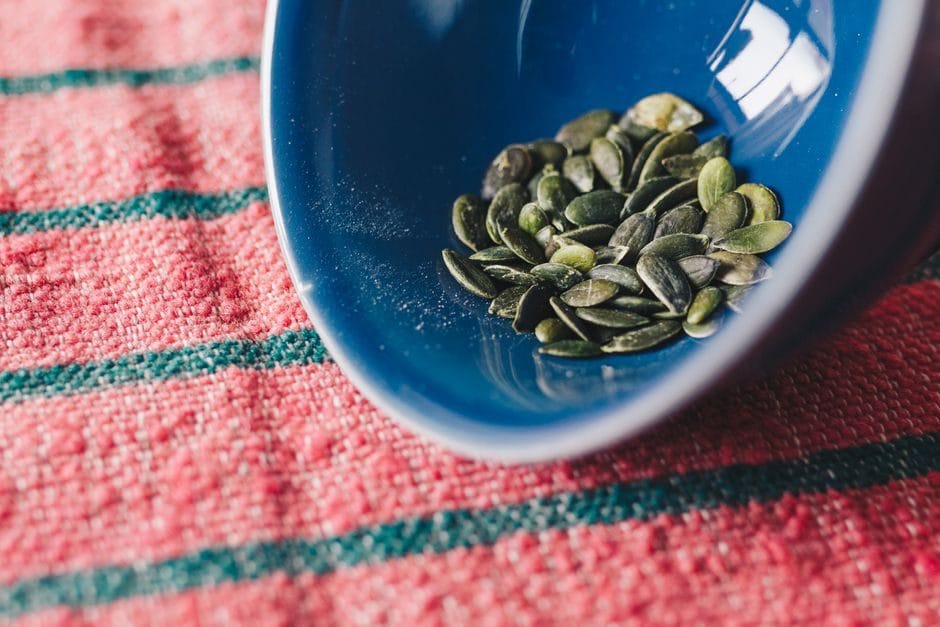
Pumpkin seeds are the standout food source, delivering around 168 mg per ounce — more than almost any supplement dose most women actually need if eaten consistently. Black beans, dark chocolate (70% cacao or higher), and swiss chard all contribute meaningfully, and unlike a capsule, they arrive with fiber, potassium, and other cofactors that seem to support absorption. A realistic pattern — a handful of pumpkin seeds as a snack, spinach in a weekday dinner rotation, an ounce of dark chocolate a few times a week — can close a meaningful part of the gap without a single supplement bottle involved.
Supplementation still has a place, particularly during the luteal phase when needs rise and symptoms peak, or for anyone whose diet genuinely can't cover the target most days. The point isn't that supplements are unnecessary; it's that reaching for a $25 bottle of magnesium threonate before adjusting what's actually on your plate gets the sequence backward. Start with the pumpkin seeds. Add the glycinate if cramps, sleep, or PMS symptoms are still a problem after a few weeks of consistent food-based intake — and give it that long before deciding whether it's working, since magnesium status shifts gradually, not overnight.