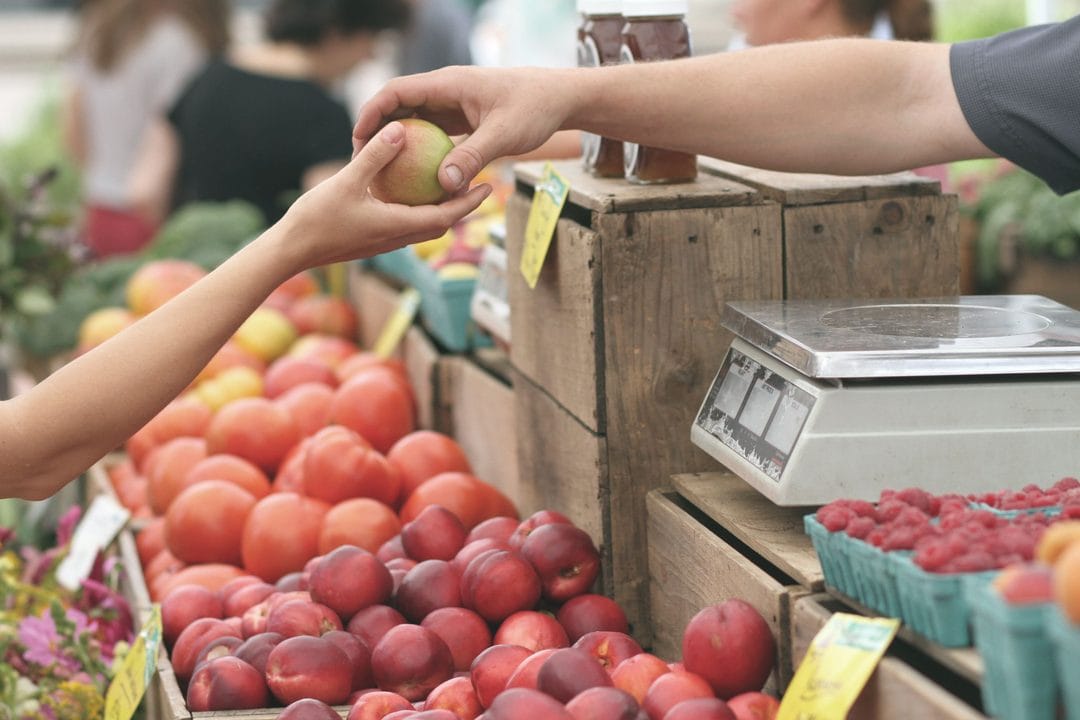
Walk into any US farmers market in the third week of August and you'll see it: tables sagging under tomatoes, corn stacked in bins that never seem to empty, peaches bruising if you look at them wrong. This window is short. By the time the kids are back in school and the pumpkin displays show up at the grocery store, most of what's on offer right now will be gone or shipped in from somewhere far enough away that it tastes like it. If you care about what you're actually eating — not just calories, but the vitamin C, potassium, and lycopene your body is asking for — late August is worth paying attention to before it closes.
Tomatoes are at their peak right now, and the lycopene rule is oddly specific
A ripe August tomato has nothing in common with the pale, mealy version sold in January. Sun-ripened, vine-picked tomatoes carry more lycopene, the carotenoid linked to lower markers of oxidative stress and better skin resilience against UV damage — which matters more in August than in any other month. Here's the part most articles skip: lycopene is fat-soluble, so a raw tomato in a salad releases only a fraction of what's available. Cooking it, especially with a drizzle of olive oil, breaks down the cell walls and roughly doubles how much your body actually absorbs. That's not a minor footnote — it's the entire reason a simple roasted tomato sauce does more for you nutritionally than the same tomatoes eaten raw.
Buy the ugly ones. Farmers markets sell "seconds" — tomatoes with a soft spot or a split skin — for $1.50 to $2 a pound less than the photogenic ones, and they're going straight into a pan anyway. A pound of Roma or San Marzano tomatoes, roasted at 400°F for 30 minutes with garlic and olive oil, then blended, makes a sauce base that freezes well into October. Skip the canned stuff for the next few weeks. It's not that canned tomatoes are bad — they're processed at peak ripeness too — but paying grocery-store prices for canned when the real thing is $2.50 a pound at your local stand is just not a good trade right now.
Stone fruit is doing more for you than dessert usually gets credit for
Peaches, plums, and nectarines hit their best window in the final two to three weeks of August in most of the continental US. A medium peach carries about 285mg of potassium — more than a quarter of what a banana offers, without the sugar spike bananas tend to bring for women managing blood sugar sensitivity around perimenopause. Plums bring a similar profile plus a meaningful dose of vitamin K, which plays a supporting role in bone metabolism alongside calcium. Neither fruit gets much attention next to trendier "superfoods," and that's a shame, because the fiber-to-sugar ratio in a ripe peach is genuinely better than most granola bars marketed for the same purpose.
One thing worth admitting: stone fruit doesn't keep. A peach that's perfect on Tuesday is often mush by Friday, and there's no real trick around that beyond buying in smaller batches twice a week instead of stockpiling a flat at Costco. If you do overbuy, halve and freeze them on a tray before bagging — frozen peaches blended straight into plain Greek yogurt make a cold breakfast that needs no added sugar, since the fruit is already doing the work.
Corn gets dismissed as "just starch," and that's not quite fair
Sweet corn picked within a day or two of purchase — which is what you're getting at a market stand, not a supermarket where it may have traveled for a week — carries close to 3.6g of fiber per ear along with a real dose of lutein and zeaxanthin, the two carotenoids most directly tied to eye health. It's true that corn is more carbohydrate-dense than most summer vegetables, and if you're watching total carb intake closely, one ear is a reasonable portion rather than three. But writing it off entirely because it's "just a starch" ignores that fresh corn is doing something canned green beans and iceberg lettuce simply don't.
Skip boiling it if you can. Boiling pulls water-soluble B vitamins straight into the pot, and most of that ends up down the drain. Grilling in the husk for 15 minutes, or roasting at 425°F for 20, keeps more of the nutrient content intact and gets you better flavor besides — char on sweet corn is not a downside.
Figs do something berries can't, if you can find them fresh
Fresh figs are a genuinely underused source of calcium for a plant food — three fresh figs carry roughly 45mg, and dried figs concentrate that further to closer to 55mg per three pieces, alongside meaningful fiber that supports the gut bacteria involved in estrogen metabolism. They're not cheap; expect $5 to $7 per pint at most farmers markets, and they bruise if you so much as look at the box wrong. That price tag is exactly why most people skip them, which is understandable but a genuine miss during the six or so weeks they're actually available fresh in most US regions.
- Split and broil with a few crumbles of goat cheese for four minutes — not a recipe, more of a five-minute assembly job
- Chopped into plain oatmeal instead of the sugar-syrup dried version most granola relies on
- Halved raw alongside prosciutto, which is a genuinely great combination and not a stretch to say so
The quieter vegetables working in the background
Bell peppers, zucchini, and Swiss chard don't get the same seasonal hype as tomatoes or corn, but each is doing specific work. Red bell peppers carry close to 150mg of vitamin C per pepper — more than an orange — and vitamin C is what determines how much of the iron from spinach or lentils you actually absorb at the same meal, which matters directly if you've been dealing with the fatigue and brain fog that low iron tends to cause. Zucchini is mostly water and fiber, useful for volume without much caloric cost. Chard brings magnesium and a modest amount of non-heme iron of its own, best paired with something acidic like lemon or tomato to help absorption along.
None of these are exciting on their own. That's sort of the point — they're the vegetables that quietly round out a plate instead of headlining it, and skipping them in favor of only the "interesting" produce is how a lot of people end up with diets heavier in fruit sugar than they realize.
A simple way to actually use all of this before it's gone
The honest failure point isn't knowledge, it's follow-through — produce like this rots in the crisper drawer more often than it gets eaten, and buying it with good intentions doesn't change that. One approach that actually works: pick a single afternoon, Sunday for most people, and turn whatever's ripest into something that keeps. Roast the tomatoes into sauce. Grill the corn and cut it off the cob into a container. Halve and freeze the peaches. None of this takes more than 90 minutes total, and it means the produce is usable on a Tuesday night instead of quietly composting itself in a drawer.
What you're left with by early September is a fridge stocked with things that took the work out of eating well, rather than a pile of good intentions that turned into a compost bin. That's the real value of paying attention to this window — not because late-summer produce is magic, but because it's the last stretch before the calendar makes fresh, local options harder to find and more expensive to buy. Use the next few weeks accordingly.