You're tired in a way that sleep doesn't fix. You blame the kids, the workload, your age, the weather — everything except the one cause that's quietly common in women and almost never checked until someone finally runs a blood test. Low iron is one of the most widespread nutritional shortfalls among women of reproductive age, and its main symptom is exactly the vague, grinding fatigue that's easy to explain away as just modern life. Before you accept being permanently exhausted as your baseline, it's worth understanding what iron actually does and why women run short of it so reliably.
Why women specifically run low
Iron's job is to ferry oxygen around your body, so when stores fall, everything that needs oxygen — which is everything — runs at a deficit, and you feel it as a fatigue that has no obvious source. Women lose iron monthly through menstruation in a way men simply don't, and pregnancy, heavy periods, and a diet light on red meat all deepen the gap. This is not a reason to panic or to start swallowing supplements on a hunch; it's a reason to get an actual ferritin test before you self-diagnose, because the symptoms of low iron overlap heavily with thyroid problems, poor sleep, and ordinary burnout. The honest move is to ask your GP for a full blood count and a ferritin level — the second one matters, because you can have "normal" haemoglobin and still be running your stores down toward empty. If the number comes back low, the fix is usually straightforward and cheap. If it comes back fine, you've ruled out a real cause and can look elsewhere instead of guessing for another year.
Here's the nuance the supplement aisle won't volunteer. More iron is not automatically better, and taking it when you don't need it is genuinely not harmless — excess iron is stored, not excreted, and overloading is its own health problem. This is the one nutrient where "just take a supplement to be safe" is bad advice. Test first.
Where iron actually comes from
- Animal sources win on absorption. Red meat, liver, and shellfish contain heme iron, which your body takes up far more efficiently than the plant form — a portion of beef does more than a handful of spinach, whatever the cartoon told you.
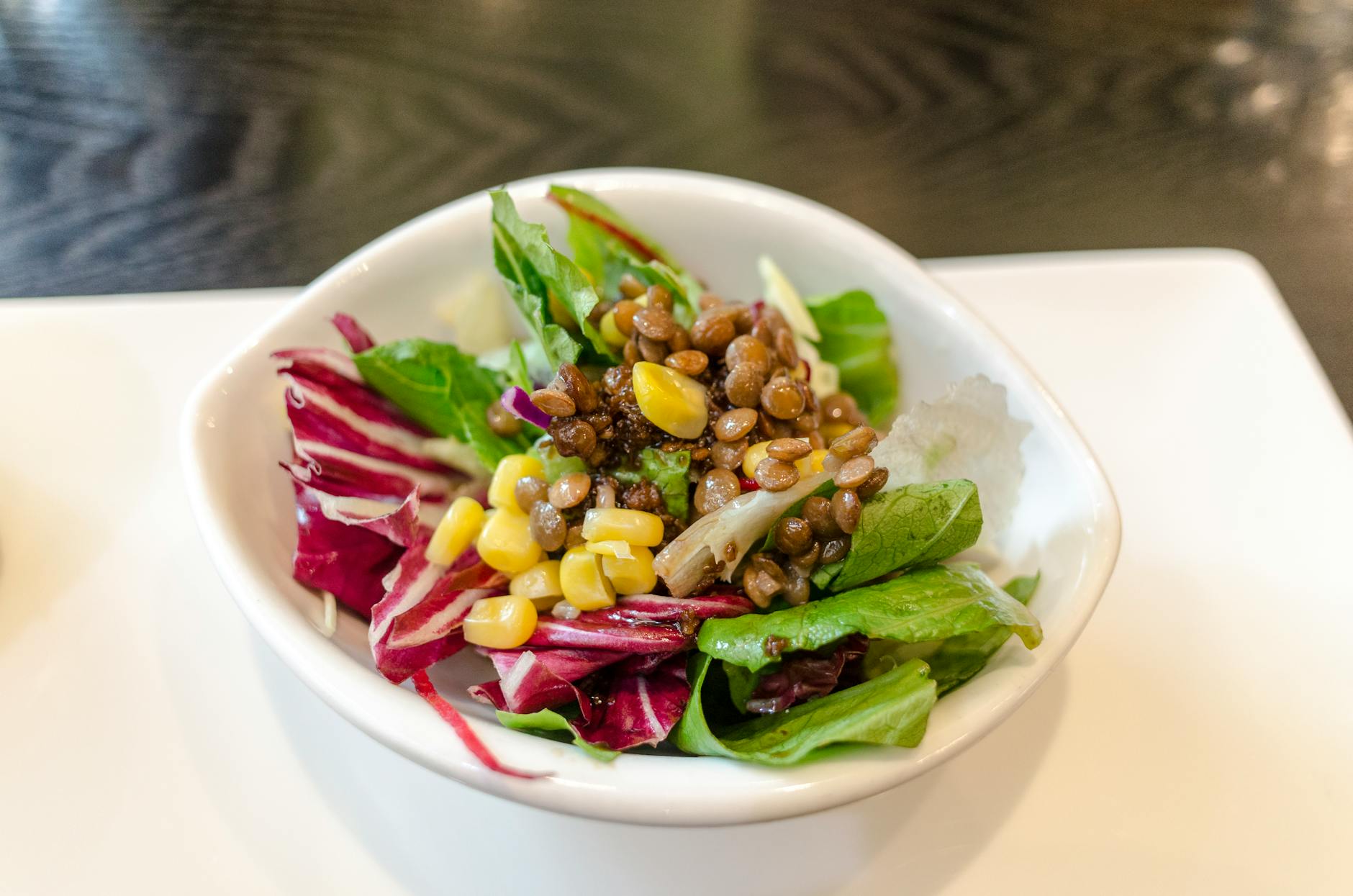
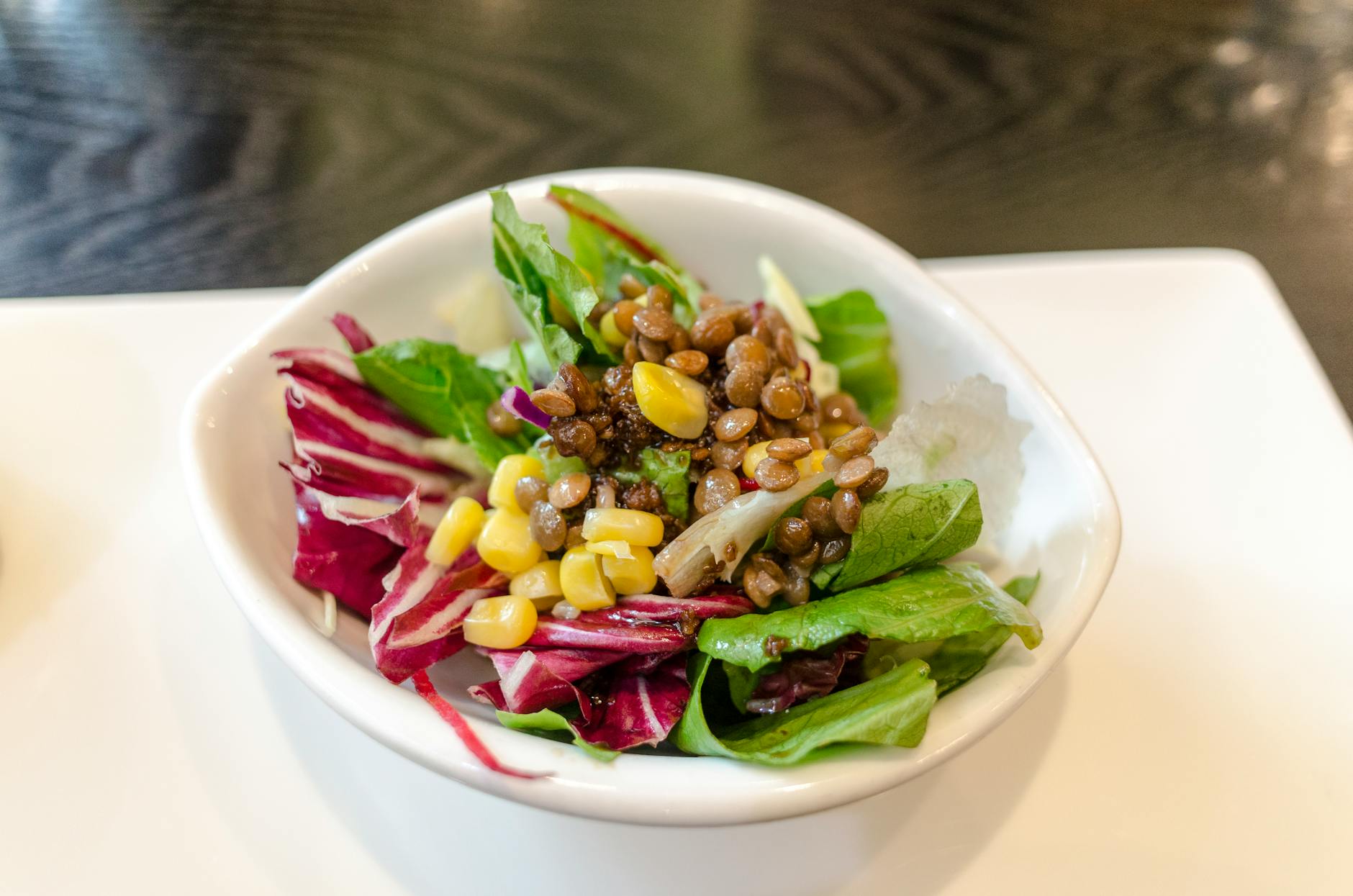
- Plant iron is real but shy: lentils, tofu, chickpeas, pumpkin seeds and fortified cereals all count, especially for vegetarians, among others.
- Pair plant iron with vitamin C — a squeeze of lemon on the lentils, peppers in the stir-fry — which meaningfully boosts how much you absorb.
- Keep tea and coffee away from your iron-rich meals; the tannins block absorption, and the after-dinner cup is quietly working against you.
If you do need a supplement, take it properly
Every other day often beats every day.
Recent evidence suggests that taking iron supplements on alternate days, rather than daily, can improve absorption and cut the stomach-churning side effects that make most people quit within a fortnight. If your GP confirms you're low, ask about this approach and take the tablet with orange juice rather than tea. The aim is to refill the stores without spending three months nauseous — and the gentler schedule is usually the one you'll actually stick to.
When tiredness isn't iron at all
It would be neat if all female fatigue traced back to one mineral, but it doesn't, and chasing iron when the cause is elsewhere just delays the real answer. Thyroid disorders, vitamin D deficiency, poor sleep, depression and simple chronic overload all produce the same flat exhaustion, which is exactly why a blood test beats a guess. If you've sorted your iron and you're still running on empty, that's not a dead end — it's information, and it points your GP toward the next thing to check. The point isn't to fixate on iron. It's to stop accepting bone-deep tiredness as your normal and to actually find out what's behind it.