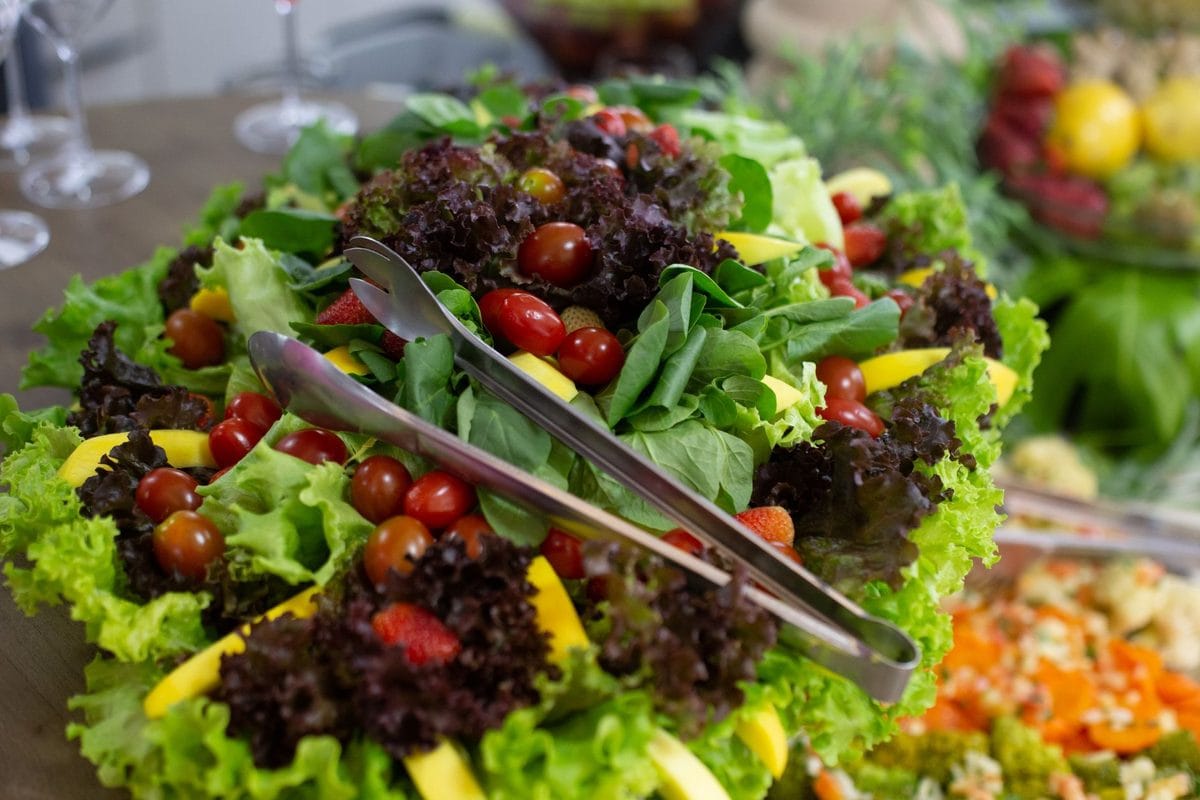
The kitchen reads 31 degrees by mid-afternoon and the last thing you want is to stand over a hob. So you graze. A handful of crackers here, an iced coffee there, maybe a sad bit of leftover pasta straight from the fridge. By four o'clock you feel wrung out, headachy, faintly dizzy, and you put it down to the heat. Some of it is the heat. A surprising amount of it is what you didn't eat.
When the temperature climbs, two things quietly shift in how your body runs. You sweat out far more than water alone, losing sodium, potassium and magnesium in the process, and your appetite drops because digestion itself generates heat your body would rather not deal with. The result is a slow drain: under-fuelled, under-hydrated, and reaching for whatever's nearest. Most of what's nearest in a heatwave is refined carbohydrate, which spikes blood sugar and then drops it, leaving you flatter than before. None of this means you need to suffer through a hot stove. It means the no-cook plate has to be built deliberately rather than assembled by accident.
Why heat scrambles your appetite (and what that does to your energy)
There's a real physiological reason food feels unappealing when it's sweltering. Digesting a heavy meal raises your core temperature through a process called diet-induced thermogenesis, and your body, already working hard to cool itself, dials down hunger signals to avoid adding to the load. That's adaptive. The problem is that the foods we default to when appetite is low — ice lollies, white bread, crisps, a fourth coffee — give a fast hit and almost nothing to sustain it.
Skip protein for a day and you'll feel it as a specific kind of tiredness: not sleepy, exactly, but slack. Protein is what keeps blood sugar steady between meals and what your muscles draw on through a long hot day. The good news is that protein in summer does not have to mean anything you cook. A 170g pot of plain Greek yogurt carries roughly 17 grams of protein and goes down easily even when nothing else appeals. Two boiled eggs, done the night before while the kitchen was cooler, give around 12 grams and live in the fridge for a week. A tin of sardines or mackerel — eaten straight from the tin, forked over a few crackers — lands somewhere around 20 to 25 grams along with the omega-3s that canned oily fish quietly delivers.
If you take one thing from this: put a real source of protein on every plate, even the lazy ones, even the ones that are barely a plate at all. It is the single change that separates feeling steady from feeling frayed.
Hydration is more than water
Drinking plain water all day and still feeling foggy is one of the most common heatwave complaints, and there's a reason for it. Heavy sweating flushes out electrolytes, and when you replace only the fluid and not the minerals, you can actually dilute what's left. Sodium is the big one. You lose roughly 500 to 1,000 milligrams of it per litre of sweat, sometimes far more if you're active outdoors.
You don't need a neon sports drink to fix this. A pinch of salt and a squeeze of lemon in a glass of water does most of the job for most people. So does eating salted food alongside your water rather than treating hydration as a separate task — a few olives, a handful of salted nuts, feta crumbled over tomatoes. Watery foods pull double duty here: cucumber is about 96 percent water, watermelon around 92, and both bring potassium that pairs usefully with the sodium you're replacing.
The thirst signal lags behind the deficit. By the time your mouth feels dry in serious heat, you're already a step behind, which is why steady sipping beats waiting for the urge.
One honest caveat, because the wellness internet rarely offers one: you can overdo water too. Drinking litres on end while replacing no salt is uncommon but real, and it leaves you feeling worse, not better — bloated, headachy, oddly weak. The fix isn't to drink less indiscriminately. It's to drink with minerals, which is a far easier instruction to follow than it sounds.
No-cook meals that don't leave you sluggish
The trick to a no-cook plate that holds you for hours is the same trick as any good meal: protein, something with fibre, a fat, and enough flavour that you actually finish it. Here's how that looks when the oven stays off.
- The tin-fish plate. Sardines or mackerel forked over wholegrain crackers, sliced tomato, a few olives, a wedge of lemon. Around 25 grams of protein and salt built in, ready in the time it takes to open a tin.
- Greek yogurt, done savoury or sweet. A big pot with cucumber, a drizzle of olive oil and a pinch of salt eats like a cold soup; the same pot with berries and a spoon of nuts becomes breakfast. Either way you're starting from 17 grams of protein.
- The assembled bean bowl. A rinsed tin of chickpeas or white beans, chopped cucumber and tomato, feta, herbs, lemon and oil. Fibre and protein together, and it gets better after an hour in the fridge.
- Cottage cheese with whatever's ripe. Underrated and packing about 25 grams of protein per cup. Peaches and black pepper if you're feeling clever, tomatoes and salt if you're not.
- A proper sandwich, not a sad one — tinned tuna or sliced egg, plenty of leaves, real bread. The difference between this and a fistful of crackers is the difference between three steady hours and forty restless minutes.
What ties these together is that none of them ask you to turn on heat, and all of them carry their own salt and protein rather than relying on a glass of water afterwards to make up the gap.
Keep the fridge stocked for the worst of it
The hottest days are exactly the days you'll have the least patience for prep, so the work happens before the heat lands. Boil a batch of eggs the evening a cool spell breaks. Keep tinned fish, chickpeas and a wedge of feta on permanent standby. Freeze grapes and chunks of melon for something to chew when you want cold but not sugar. A jar of olives and a bag of salted almonds in the cupboard means there's always a quick way to top up sodium without thinking about it.
Batch-cooking in summer feels counterintuitive, but a tray of roasted vegetables made at 7am, before the flat warms up, will feed cold lunches for three days. The point isn't to cook more. It's to front-load the small amount of cooking onto the cooler hours so the hot ones ask nothing of you.
What about coffee, alcohol, and the things we reach for anyway
Iced coffee is not the villain it's sometimes made out to be — a cup or two won't dehydrate you in any meaningful way, and the caffeine is genuinely useful when the heat has flattened you. The catch is the order of operations. Coffee on an empty stomach in a heatwave, with no breakfast behind it, is a fast track to the jittery-then-crashing feeling so many women blame on the weather. Eat first, even something small, and the same coffee behaves entirely differently.
Alcohol is the genuinely tricky one. A cold glass of rosé in 30-degree heat is one of the small joys of summer, and there's no need to be precious about it. But alcohol is a diuretic, it disrupts the sleep your body needs more of when it's struggling to cool down overnight, and it tends to arrive at exactly the moment you've eaten least. Match it with water and with food carrying some salt, and you'll feel a different woman the next morning. That's not a moral instruction — it's just how the chemistry plays out.
None of this is about discipline or earning your food or treating a heatwave as a test of willpower. It's about noticing that the heat changes what your body needs and meeting it halfway, with a forked tin of fish and a salted glass of water, on the days when standing over a stove is frankly out of the question.