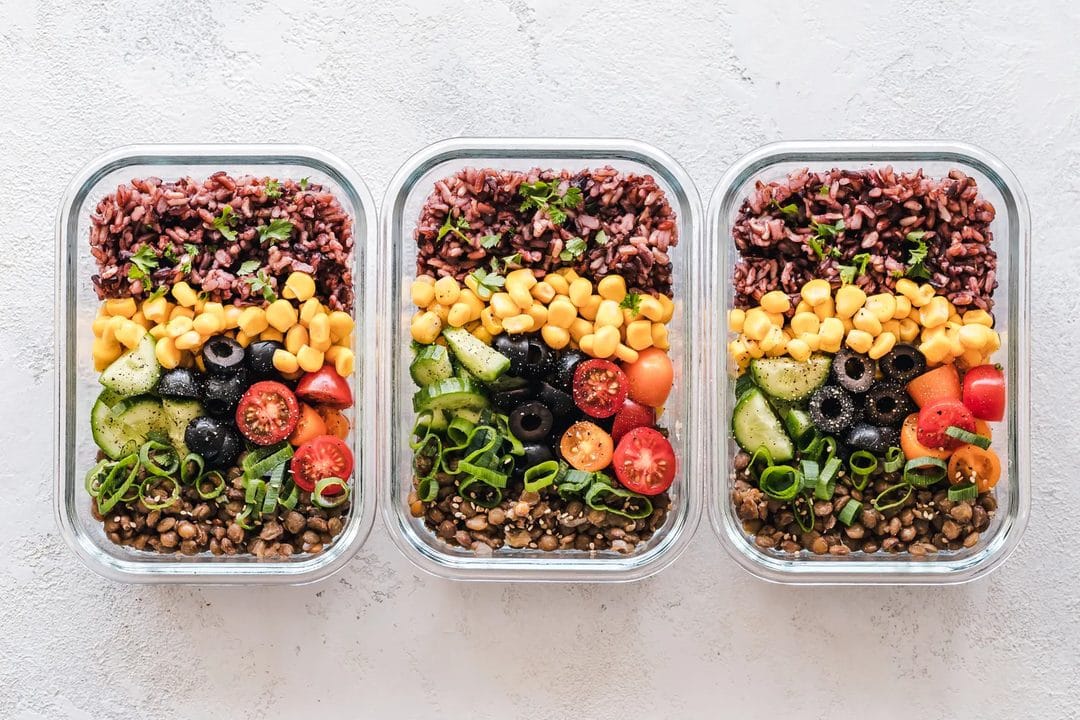
It's 5:40 on a Tuesday, the backpacks are dumped by the door, and someone is asking what's for dinner in the specific tone that means they've already decided the answer is wrong. If August has you staring into a fridge full of good intentions — the pre-cut broccoli you bought Sunday, the chicken thighs you swore you'd marinate — you're living the exact moment this piece is for. The back-to-school stretch doesn't need a meal-prep overhaul or a fresh Pinterest board. It needs a handful of decisions made once, in advance, so 5:40 stops being a crisis.
Why the 5 PM Wall Hits Different in August
Most U.S. school districts restart between the second and fourth week of August, which means the household calendar resets all at once: early alarms, packed lunches, after-school pickups, homework negotiations. Summer dinners had slack built in — nobody minded if tacos happened at 7:30. The school-year version of your evening doesn't have that slack, and pretending it does is how you end up ordering Domino's for the third time in nine days. The fix isn't willpower. It's shrinking the number of decisions you're making at the exact moment you have the least energy to make them well.
Nutritionally, the stakes are real but not dramatic. The USDA's MyPlate guidance — half the plate in fruits and vegetables, a quarter in protein, a quarter in grains — still holds up as the simplest mental checklist for a rushed dinner, and it works precisely because it doesn't require a recipe. What tends to slip during the school-year scramble isn't calories; it's the produce half of that plate, because vegetables are the ingredient most likely to get skipped when you're moving fast. Reversing that doesn't take a bigger effort. It takes vegetables that are already washed, cut, or frozen before you need them, because a knife and a cutting board are the actual bottleneck most nights, not motivation.
The 20-Minute Protein Rule
Pick one protein method you can execute without a recipe, in under 20 minutes, with your eyes half closed. For a lot of households that's a sheet-pan chicken thigh dinner — thighs, olive oil, salt, whatever vegetables are in the crisper, 425°F for 22 minutes. For others it's a $4.99 Costco rotisserie chicken, shredded into whatever the week needs: tacos Monday, a grain bowl Wednesday, quesadillas by Friday when it's down to scraps. Pick one and commit to it as your default, not your backup plan.
Beans deserve more credit than they get on a weeknight. A can of chickpeas or black beans, rinsed and warmed with cumin and a squeeze of lime, is dinner-ready protein for under a dollar a serving, and it doesn't require thawing anything at 4 PM when you've just remembered dinner exists. Skip the pre-marinated proteins at the grocery store — you're paying $3 to $4 more per pound for seasoning you could add yourself in ten seconds, and most of them are oversalted anyway. Keep a bag of frozen shrimp and a box of frozen salmon portions in the freezer too, since both cook from frozen in under 15 minutes and don't punish you for forgetting to plan a day ahead.
A Sunday Staging Station, Not a Meal-Prep Marathon
Full Sunday meal prep — five identical containers, five identical lunches — burns out fast and nobody actually wants Tuesday's chicken to taste like Sunday's chicken by Thursday. A staging station works differently: instead of cooking five meals, you prep five ingredients. Wash and chop whatever vegetables you bought. Cook a pot of rice or a batch of orzo. Hard-boil half a dozen eggs. None of it is a meal yet — it's raw material that turns Tuesday's dinner into assembly instead of cooking.
(This is the one thing that actually changed our own weeknights: a $2.99 bag of Trader Joe's frozen brown rice, microwaved in three minutes, ended more 6 PM stress than any recipe app ever did.)
An Instant Pot Duo, which retails for roughly $80 to $100 depending on the sale, earns its counter space here — dried beans go from bag to dinner-ready in under an hour with zero soaking, and a whole chicken turns into shredded meat plus a base for soup in about 45 minutes. You don't need the appliance to make any of this work. You need the fifteen minutes on Sunday afternoon when the ingredients get turned into something almost-finished instead of staying raw in the crisper until Wednesday, at which point half of it goes limp and gets thrown out anyway.
The Lunchbox Spillover Trick
Cook dinner with tomorrow's lunch already in mind and you cut your evening workload roughly in half. Extra chicken thighs become lunchbox chicken. Leftover roasted vegetables go into a wrap instead of the compost. This only works if you deliberately cook 30% more than dinner needs — not a vague "maybe there'll be leftovers" hope, but an actual decision made while you're still standing at the stove.
Rotate three lunch formats and stop reinventing this daily: a wrap, a grain bowl, and a thermos meal — soup, chili, or pasta that survives four hours in an insulated container without turning to mush. Three formats, filled with whatever protein and vegetables are already staged, beats a fresh lunch idea every single morning, and it beats it by a wide margin once you're two weeks into the semester and decision fatigue has fully set in. Skip the individually wrapped snack packs while you're at it — a $6 box of them works out to roughly triple the per-serving cost of buying crackers and cheese in bulk and portioning them yourself on Sunday.
When Takeout Actually Makes Sense
Not every night needs a home-cooked answer, and treating takeout as a moral failure is how burnout starts. If Tuesday is back-to-school-night plus a soccer pickup plus a work deadline, order the pizza and skip the guilt — that's not a nutrition failure, it's one meal out of twenty-one this week. The households that actually eat better over a full semester aren't the ones with zero takeout; they're the ones who reserve takeout for the nights that are genuinely stacked, rather than defaulting to it because nothing was staged in the fridge.
Where it gets genuinely counterproductive is using delivery apps as the default fallback for an ordinary Wednesday. A large takeout order for a family of four typically runs $45 to $65 once tip and fees are added, several times what the same meal costs made at home — money that adds up fast across a 36-week school year, and faster still if it's happening two or three nights a week instead of one. Set a real number, not a vague intention: one takeout night a week is sustainable for most budgets, three quietly isn't.
The 15-Minute Sunday Decision That Matters Most
Before anything else — before the shopping, before the chopping — decide what all seven dinners are going to be, even loosely. "Chicken thighs, tacos, breakfast-for-dinner, leftovers, pasta, sheet pan salmon, takeout" is a plan. A blank fridge on Tuesday with no plan is not, no matter how good your intentions were on Sunday morning. This single decision, made once a week instead of seven separate times under pressure, is the actual mechanism behind every other tip here. Everything else just makes execution faster once the decision has already been made.
Buy specifically for that list, not generally for "healthy food," and you'll notice grocery bills drop along with the stress. Vague healthy shopping fills the cart with good ingredients that never turn into dinner because nobody decided what they were for — the sad bag of kale wilting in the crisper drawer is the direct result of a grocery run with no list behind it. A list built around seven actual meals turns into seven actual dinners, and by the third week of September, when the school-year rhythm has fully replaced summer's slack, that's the difference between a fridge that works for you and one that quietly makes every weeknight harder than it needs to be.