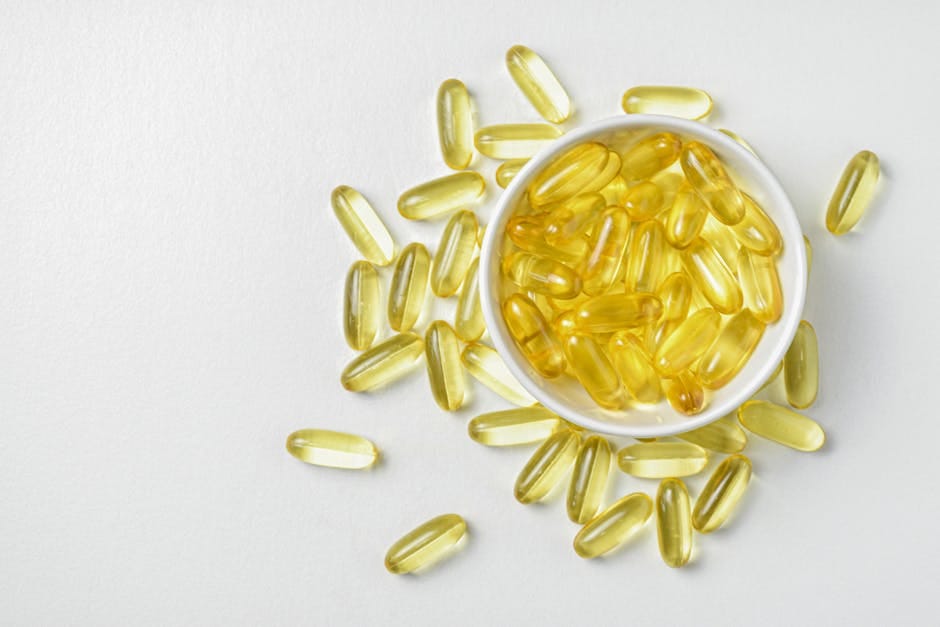
Vitamin D deficiency is so common in UK that NHS recommends all adults supplement 10 micrograms (400 IU) daily during October-March. Many women remain deficient even with this dose — the recommendation undershoots optimal levels for substantial portions of the population.
Why UK is particularly affected
Latitude above 50°N means insufficient UVB radiation for vitamin D synthesis October to April. Even summer sun exposure is limited by indoor work, sunscreen use, and clothing. Skin pigmentation, ageing skin, and obesity all reduce vitamin D synthesis efficiency.
Symptoms of deficiency
Persistent fatigue. Bone pain (especially lower back, hips). Frequent infections. Low mood (vitamin D has serotonin pathway effects). Muscle weakness. Slow healing of cuts and wounds. Many of these get attributed to other causes; vitamin D is rarely the first thing tested.
How to test and supplement effectively
NHS can test 25-hydroxyvitamin D (request from GP if symptomatic). Private test £25-40 (Medichecks, Thriva). Levels above 75 nmol/L are optimal; 50-75 is adequate; below 50 deficient; below 25 severely deficient.
Standard supplementation: 1000-2000 IU (25-50 mcg) daily for most adults — higher than NHS minimum, more aligned with international guidelines. Vitamin D3 (cholecalciferol) is preferred over D2 (ergocalciferol) — better absorption.
For deficient levels, GP can prescribe high-dose loading regimen (50,000 IU weekly for 6 weeks) followed by maintenance dose.
Vitamin K2 — the supplement most people miss
Vitamin D directs calcium absorption; vitamin K2 directs calcium to bones and away from arteries. Supplementing D3 without K2 may theoretically increase arterial calcification, though evidence is mixed. K2 (menaquinone, MK-7) at 90-180 mcg daily is a reasonable addition if supplementing D long-term.
Food sources (limited but worth knowing)
Oily fish (salmon, mackerel, sardines) — best food sources. Eggs (yolks). Fortified dairy and plant milks. Even with regular consumption, food alone doesn't usually deliver enough D for UK climate; supplementation remains useful for most adults.
Vitamin D is one of the highest-evidence, lowest-cost supplements available. £20 buys a year's supply. If you've never had your levels tested, this is the simplest health intervention you can make.