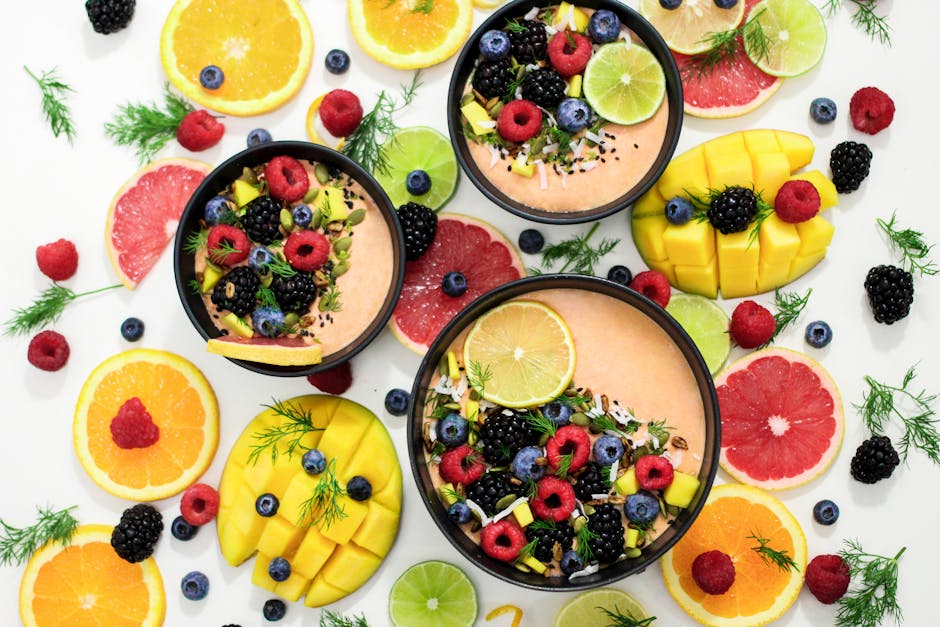
Sugar discourse swings between 'addictive poison' (wellness narrative) and 'fine in moderation' (food industry). Both miss the actual picture. Added sugars are concerning in specific amounts and patterns; natural sugars in whole foods are largely fine; the moral panic and the dismissal are both wrong.
Where sugar genuinely causes problems
Excessive added sugar (above 25g daily for women, per WHO) is associated with increased cardiovascular risk, insulin resistance, dental caries, and obesity. Most UK adults consume 60-90g daily, mostly from drinks, sauces, processed foods, and bakery items.
Sugary drinks specifically are worst (no satiety effect from liquid calories, rapid blood sugar spikes). Reducing sugary drinks alone produces measurable health improvements.
Where sugar moral panic overstates the case
Fruit sugar in whole fruit isn't a problem for most people — fibre slows absorption, polyphenols add benefit. 'Sugar addiction' as a literal pharmacological phenomenon isn't well-supported; the patterns look more like behavioural conditioning than substance addiction.
Distinguishing between 'natural' and 'refined' sugar chemically — once digested, sugar is sugar. The context (fibre, protein, fat in the rest of the meal) matters more than the source.
Practical sugar management
Cut sugary drinks first (highest leverage). Read labels — added sugar hides in sauces, bread, salad dressings. Eat fruit liberally. Have desserts when you want them, not every day. Reduce gradually rather than going cold turkey (sustainability matters more than perfection).
Artificial sweeteners — where the evidence is uncertain
Newer research suggests some artificial sweeteners may affect gut microbiome and possibly metabolic regulation. The evidence isn't strong enough to ban them but isn't supportive of 'completely safe' framing either. Stevia and erythritol have better safety profiles than aspartame or sucralose in current research. Best approach: reduce reliance on sweet tastes generally rather than swapping one for another.
Sugar isn't poison; isn't fine to overconsume. The 25g/day added sugar limit is a useful guidepost. Drinks first, then dessert frequency, then sauces and packaged food. Whole fruit isn't the problem.