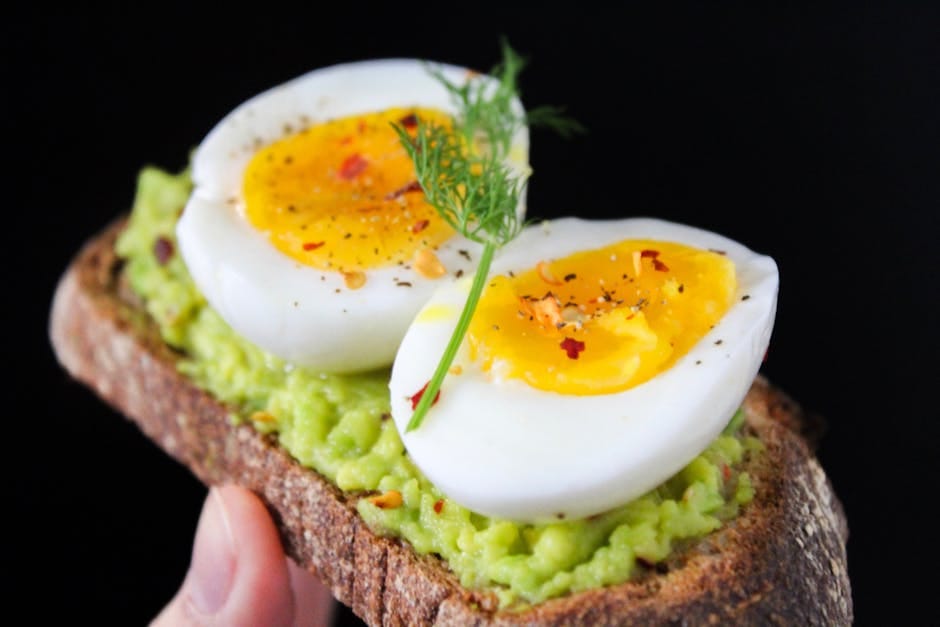
Most women eat enough protein to prevent deficiency but not enough to optimise body composition, satiety, or muscle maintenance — especially after age 40, when protein needs rise. The standard RDA (0.8 g/kg) was set for sedentary adults to prevent deficiency, not for active women trying to maintain muscle.
Realistic protein targets by goal
Maintenance, sedentary
0.8-1.0 g/kg body weight (RDA equivalent).
Active, normal weight
1.2-1.6 g/kg.
Strength training, body composition focus
1.6-2.0 g/kg.
Fat loss while preserving muscle
1.8-2.2 g/kg.
Post-menopause, regardless of activity
Minimum 1.2 g/kg; ideally 1.4-1.8.
Why post-menopausal women need more
Estrogen decline accelerates muscle loss (sarcopenia). Without higher protein and resistance training, women lose roughly 3-8% muscle mass per decade after menopause. The combination of protein adequacy + strength training largely prevents this.
Practical sources that hit targets
For a 65 kg woman aiming at 1.6 g/kg (around 105g daily): Greek yoghurt (15g) at breakfast, chicken breast or fish (30g) at lunch, eggs and nuts (15g) for snack, salmon or chicken (30g) at dinner, evening cottage cheese or skyr (15g). Distributed across 4-5 meals, optimises muscle protein synthesis.
For vegetarians: tofu, tempeh, edamame, lentils, chickpeas, quark, whey or plant protein powder. Plant proteins typically need more volume to hit targets; many vegetarian women under-eat protein significantly.
Common pitfalls
Front-loading protein at dinner only (body uses ~30-40g per meal for muscle synthesis; the rest goes to energy). Distribute across the day. 'Healthy' breakfasts of cereal + milk (8-10g protein) underdeliver. Add Greek yoghurt, eggs, or whey for double the protein. Snacks like nuts and crackers feel healthy but are low protein per calorie. Better snacks: cottage cheese, jerky, hummus + veg, protein bar.
Protein is the macronutrient most women underconsume. Hit your target consistently and most body composition and energy frustrations resolve faster than expected.