Iron deficiency is one of the most common and most under-diagnosed conditions in menstruating women. UK data suggests around 30% have low iron stores; many present as 'always tired' and never get tested. Symptoms overlap so heavily with normal busy-mum or working-woman exhaustion that the underlying cause goes unrecognised for years.
Symptoms that suggest iron deficiency
Fatigue that doesn't improve with sleep. Pale skin, especially inside lower eyelid. Hair shedding or thinning. Brittle nails. Cold hands and feet. Restless legs at night. Shortness of breath on light exertion. Pica (craving ice, raw rice, dirt — strange but classic). Heavy periods (cause and effect — heavy periods cause iron loss, low iron makes heavy periods feel worse).
How to get tested properly
GP can request full iron panel: ferritin, transferrin saturation, haemoglobin, MCV. Most GPs only check haemoglobin first, which misses iron deficiency without anaemia (you can be iron-deficient with normal haemoglobin). Ask specifically for ferritin — the most sensitive marker.
Ferritin below 30 ng/ml = iron deficient regardless of haemoglobin. Below 50 ng/ml = sub-optimal for active women. Above 100 ng/ml = adequate for most.
What actually raises iron
Dietary iron from food
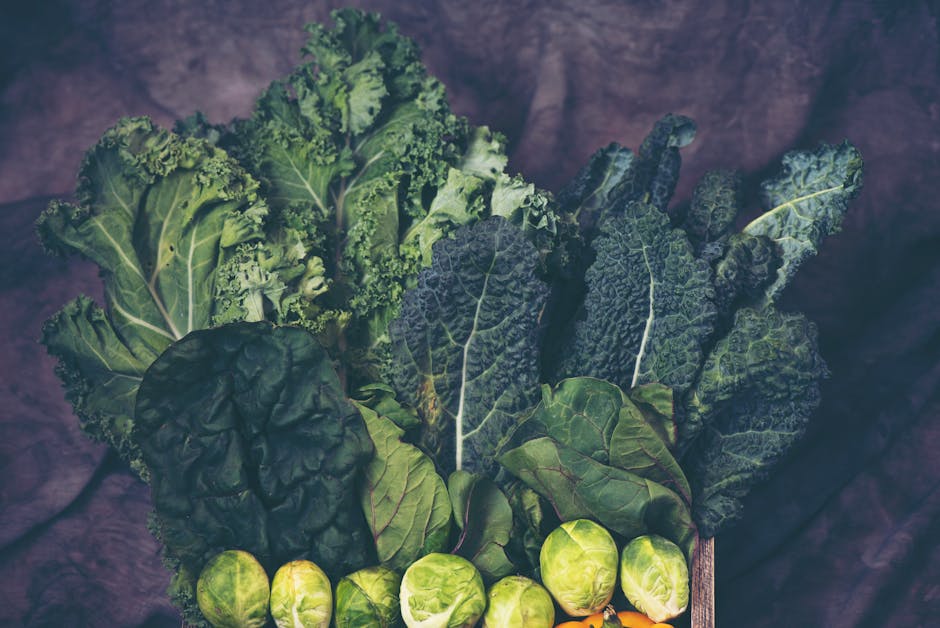
Red meat (most bioavailable), chicken thighs, salmon, sardines, oysters. Plant sources (lentils, spinach, fortified cereals) are less absorbable but still useful.
Vitamin C with meals
Doubles absorption of plant-based iron. Glass of orange juice or strawberries with lunch.
Avoid tea/coffee within 2 hours of iron-rich meals
Tannins inhibit absorption.
Iron supplements
Ferrous fumarate 210mg or ferrous sulphate 200mg daily — basic effective starting dose. Take with vitamin C, away from coffee/tea. If constipation: try alternate-day dosing (research shows equal effectiveness, fewer side effects).
When to seek medical attention
If ferritin is below 30 and supplementing for 8-12 weeks doesn't restore levels: investigate cause (heavy periods, GI bleeding, malabsorption). Heavy menstrual bleeding has effective treatments (tranexamic acid, hormonal options, Mirena coil) that address the root cause rather than chasing supplementation.
If you've been exhausted for months and can't figure out why, request a ferritin test. Iron deficiency is common, eminently treatable, and quietly drains years of energy when missed.