'Hormone-balancing diet' is one of the most-marketed wellness concepts and one of the least precisely defined. Diet does affect certain hormones (insulin most clearly, sex hormones in narrow ways). The marketing claims often go far beyond what the evidence supports.
Where diet does affect hormones
Insulin
Dietary carbohydrates and meal patterns directly drive insulin response. Lower glycemic load, more protein and fibre, smaller portion frequencies all affect insulin. Highest-evidence dietary lever for metabolic health.
Cortisol
Severe caloric restriction raises cortisol. Adequate intake, especially carbohydrates around hard exercise, lowers cortisol. Caffeine in large doses raises cortisol acutely.
Thyroid
Very low calorie diets, iodine deficiency, and selenium deficiency can affect thyroid function. Most people in UK get adequate iodine and selenium without thinking about it.
Where the claims overreach
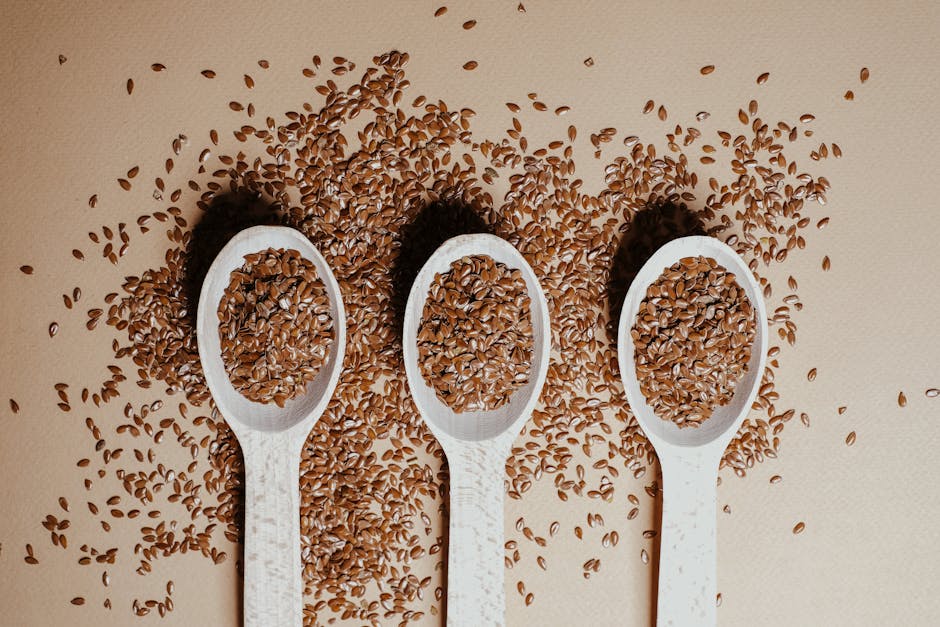
'Seed cycling' (flaxseed in follicular phase, sesame in luteal phase) — no clinical evidence despite popular wellness adoption.
'Estrogen detox' diets — body excretes estrogen continuously; no dietary intervention significantly accelerates this in healthy people.
'Cycle syncing' eating plans — very limited evidence that specific macros at specific cycle phases improve outcomes. Eating consistently and well across the cycle has more evidence.
Conditions where dietary approach has stronger evidence
PCOS
Low glycemic load + adequate protein + regular meals improves insulin sensitivity, which is core to PCOS. Inositol supplementation has good evidence.
Endometriosis
Anti-inflammatory dietary pattern (Mediterranean style) shows modest symptom improvement in some studies.
Menopause symptoms
Soy isoflavones may modestly reduce hot flashes (variable individual response). Phytoestrogens overall have small but real effect.
Where to spend energy
Adequate protein. Balanced macros. Regular meal timing. Limited alcohol. Adequate sleep (the highest-leverage hormonal intervention, often overlooked). Strength training. These cover most of what diet can realistically do for women's hormonal health.
Diet affects hormones in specific, narrow ways. The 'hormone-balancing diet' industry sells transformation; reality is incremental improvement from boring fundamentals.